
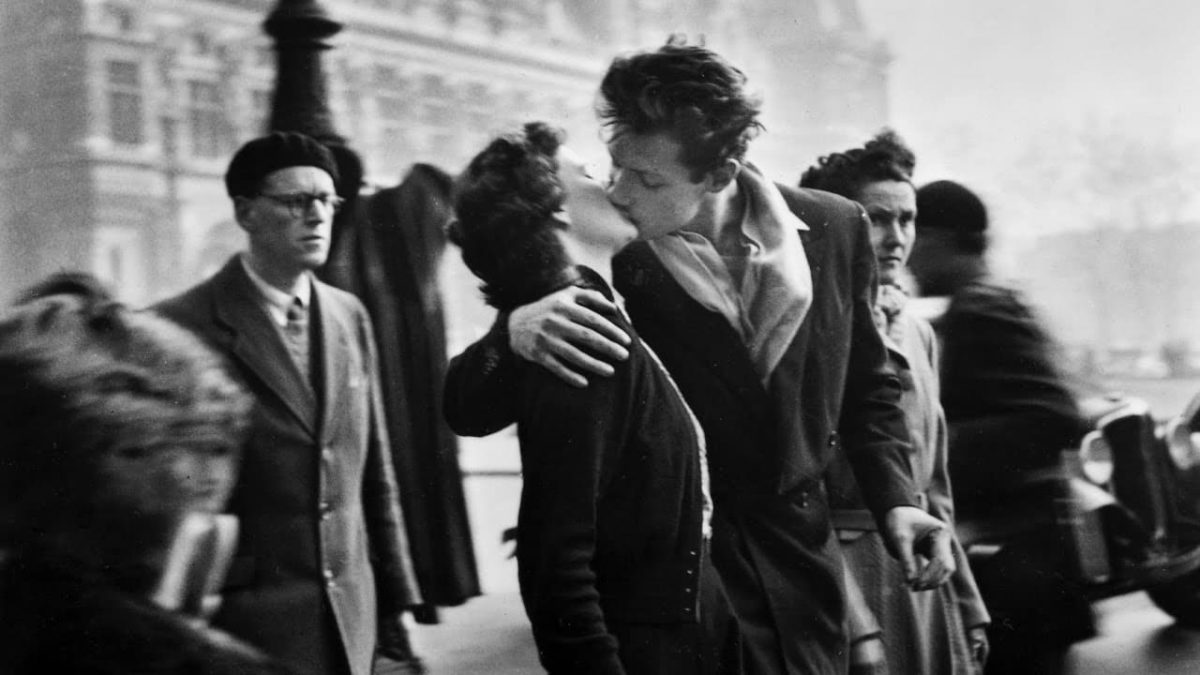
Photographs of Paris... We think the city we see in these old pictures really existed. Yes and no.
Yes — because a photograph is not a painting. You can't put just anything you want into it (not in the strict sense of the genre, anyway).
No — because photographers look for — and find — only what they need. Or they manage to leave for eternity something that will last, perhaps, another 5 minutes after them. Or less. A silhouette mid-turn, a kiss, or anger. An unearthly gleam on the walls of some Paris house...
Don't rush...
This time what came out wasn't an article in "internet style," but a whole story. With lots of photos of Paris landmarks, of ordinary people, ordinary streets and houses...
I ask you — if you've no time right now — don't close this page for good. Open it in the evening, when you have 10–15 minutes of quiet. Or over lunch... Look and read without rushing: the daily grind and the everyday won't leave you. These people, who left us the myth of Paris, and their photographs — they're worth it.
Believe me — your life will become a touch better.
An Endless Collection
And those who go on collecting it now — all of them invented it for us. Black-and-white photographs of Paris gave it a mass romantic visual image of a city that makes you fall in love at first sight.
And now, when travelers come to Paris, whether unwittingly or consciously, they look around for at least a piece of that Parisian whole. They remember those photos of Paris streets that would bring them a miracle amid everyday life. They remember photos of Paris in autumn... They search — do they find? Ask them.
To those first photographers and first photographs of Paris, the city owes part of its fame. Its myth and its cult.
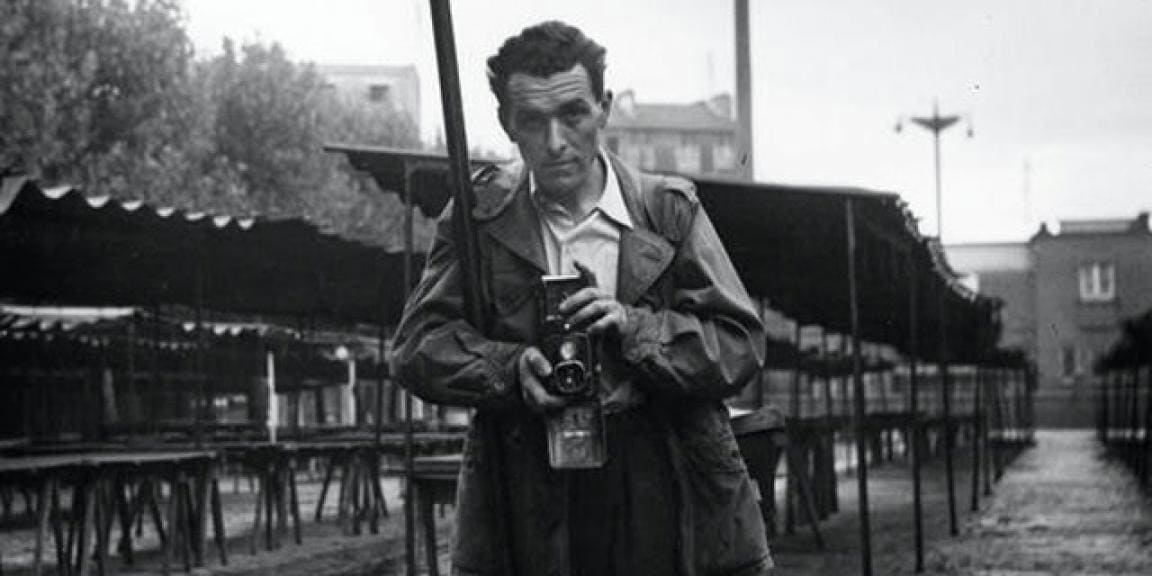
Photographs of Paris — Robert Doisneau
Born April 14, 1912, in Gentilly, a suburb of Paris. At fourteen, having finished school, he entered a school of arts and crafts. There he took his very first steps in the visual arts. In his youth he was very withdrawn, so the subjects of his first photographs were plain cobblestones.
From 1934 he took up photography professionally, working for Renault until he was dismissed in 1939. In 1949 Doisneau signed a contract with Vogue magazine, and in 1952 he began his career as an independent photographer.
In the second half of the 20th century, alongside Édouard Boubat and Willy Ronis, he became a leading master of French humanist photography.
The photographer spent his entire life in Gentilly (Gentilly, Val-de-Marne), in the southern part of Paris. Robert Doisneau died in Paris on April 1, 1994, and was buried in Raizeux beside his wife.
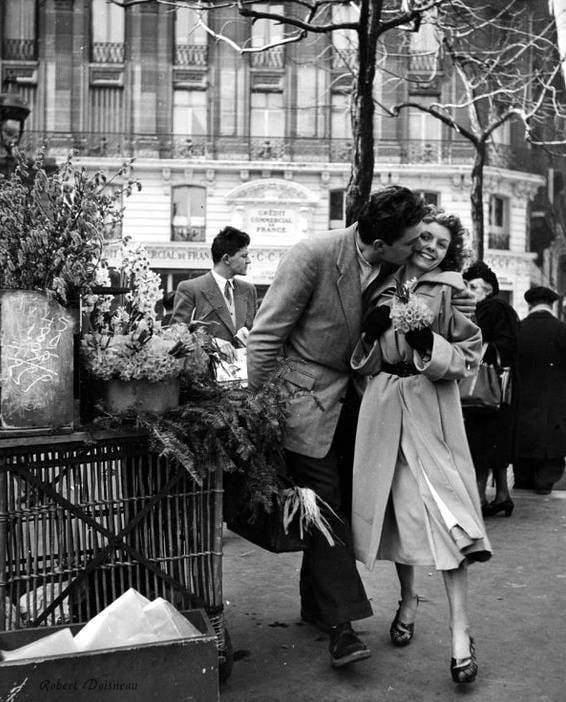
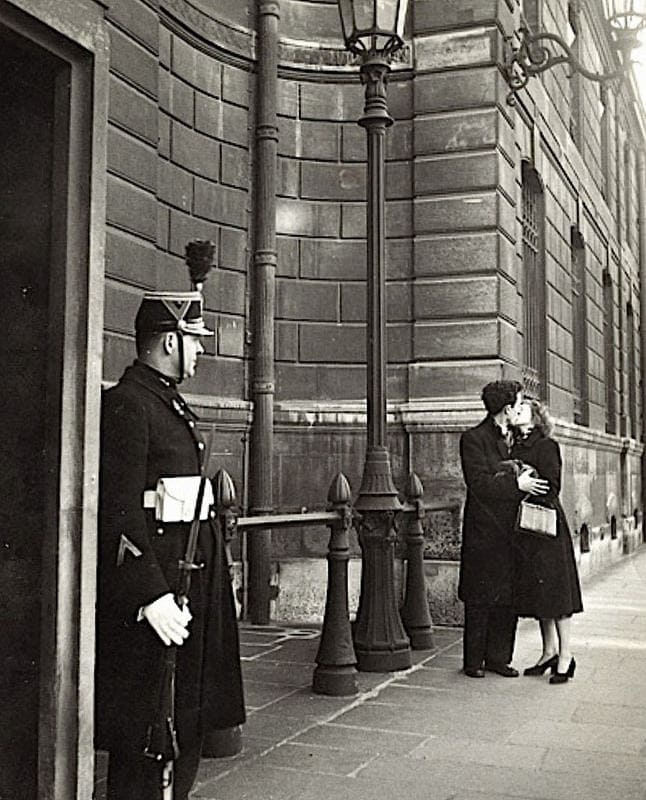
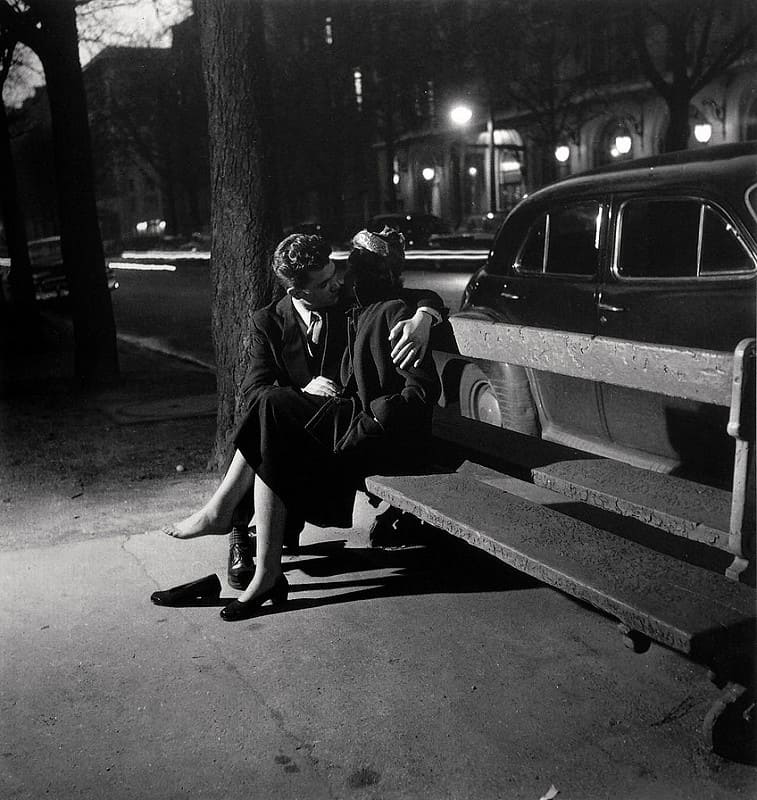
Robert Doisneau invented a Paris where everyone is in love with everyone, and where eternal spring reigns.
He made Paris a city where people kiss literally everywhere: in an ice-cream seller's cart, at a town ball, in museums and in slums. He truly loved his fellow countrymen. Prim Parisiennes, happy children, and grown-ups who, in their carefreeness, are like children themselves...
"I was trying to show a world where I'd feel good," the photographer once admitted.
Doisneau gave lovers all over the world a fairy tale about Paris.
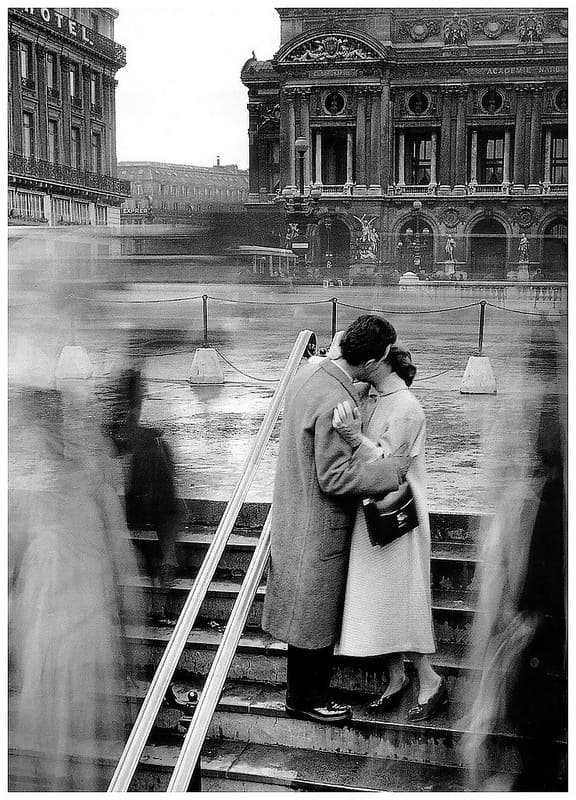
The Kiss
Over his long and rich life, Robert Doisneau came by many titles and honors. He was called the "Poet of the Streets," the "Singer of the Paris Outskirts," and the "Master of French Humanist Photography."
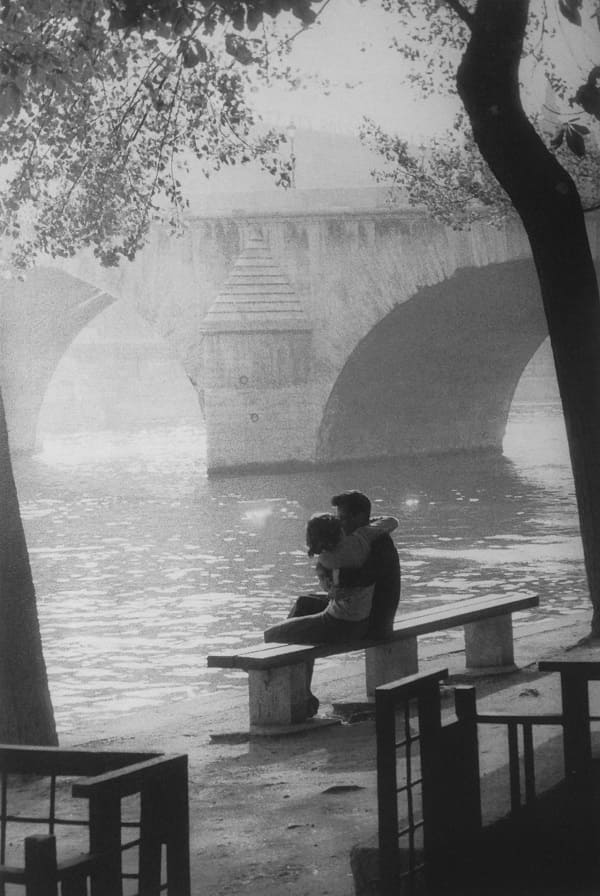
One of Robert Doisneau's most famous photographs was "The Kiss by the Hôtel de Ville." The shot was taken in 1950 on commission from Life magazine. The most celebrated photograph of Paris of all times and peoples, a hymn to youth, to spring, and to love. It brought him big money and undimming fame, but at the same time big trouble as well.
The truly famous photograph would open up for the viewer only 36 years after it was published in Life. In 1986 a poster was printed from the negative, and it became a symbol of amorous Paris. And over the twenty years that followed, "The Kiss..." was printed on two and a half million postcards and on half a million posters. Without exaggeration, one can say that on this single photograph Doisneau earned more than on all his other photographs put together.
The trouble was that many couples believed it was them in the shot. They bombarded Doisneau with letters and with demands for fees and compensation. In the end, at one trial, Doisneau had to reveal the real names of the people who had posed for the shot.
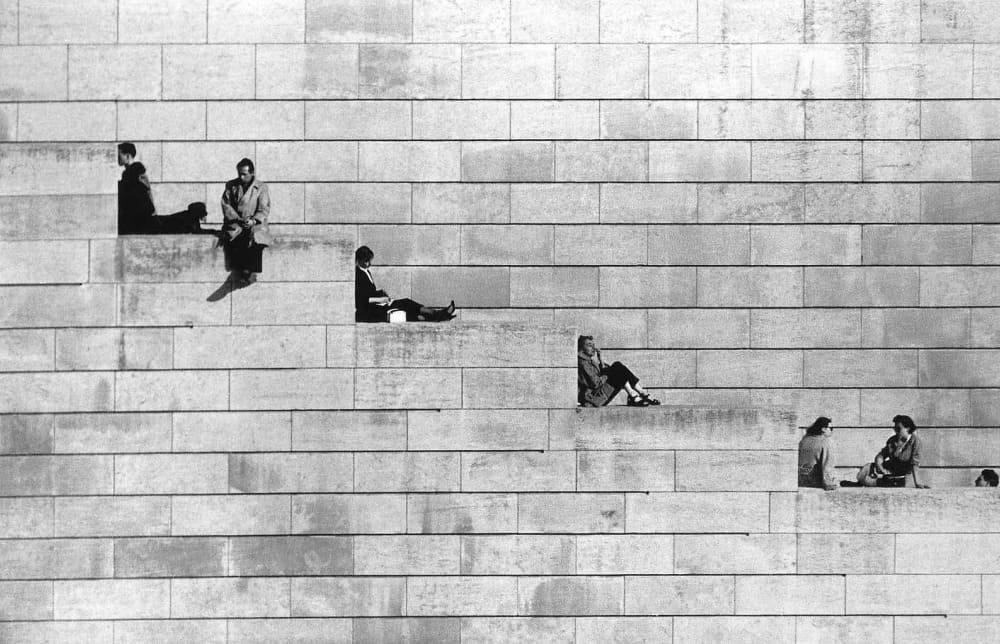
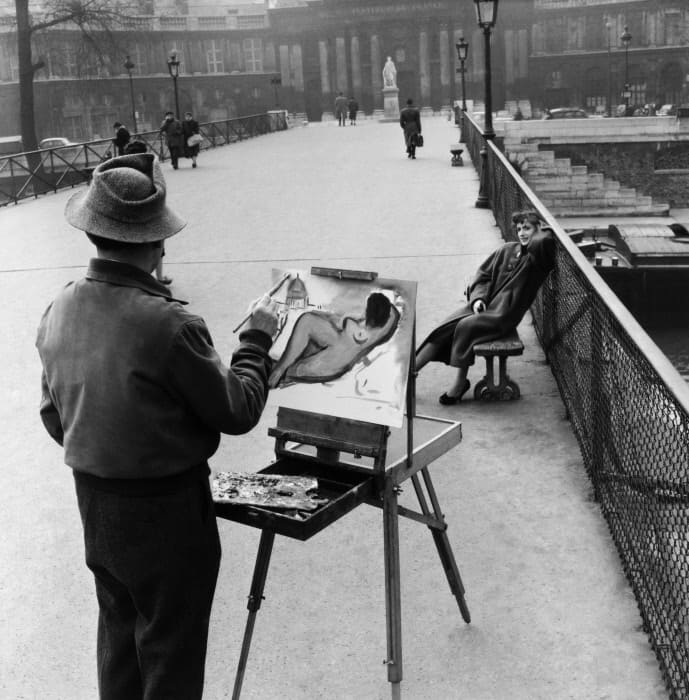
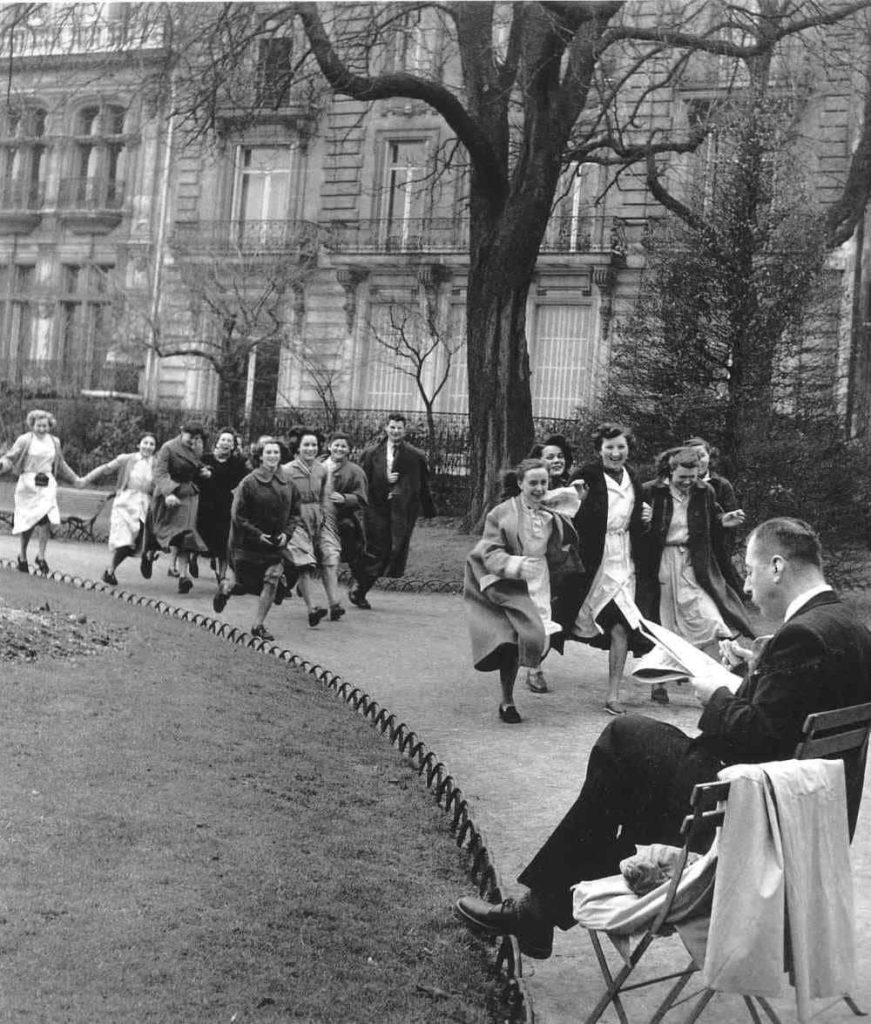
Photographs of Paris — childhood, and grown-up life
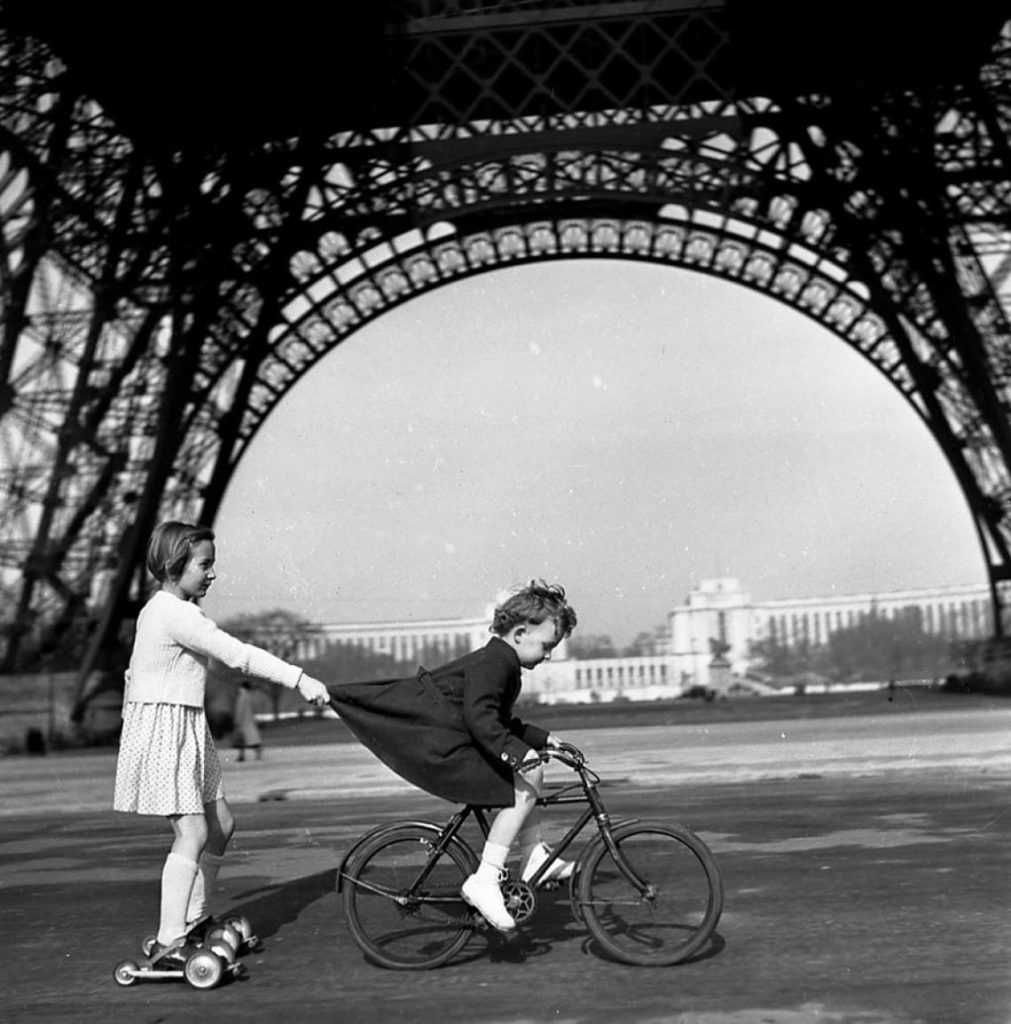
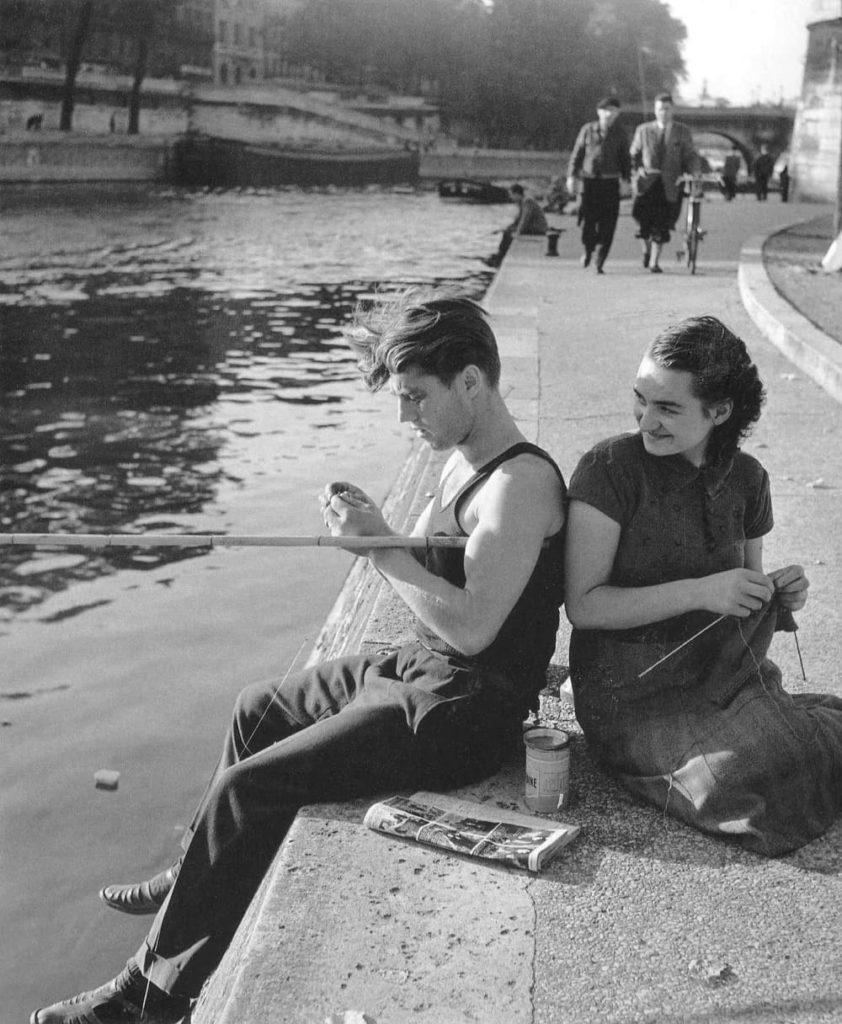
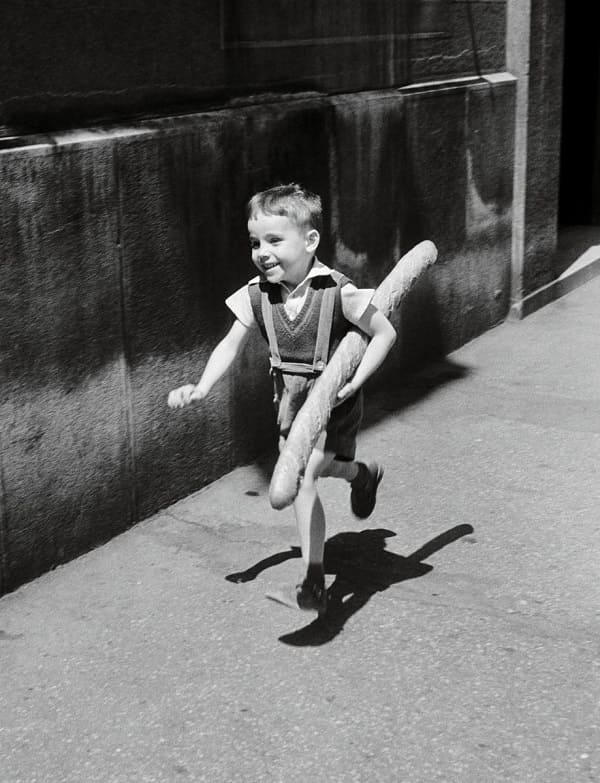
An important place in the photographer's work is held by the street culture of childhood. Time and again he returns to the theme of children playing in the streets, far from the unsleeping supervision of grown-ups. Respect and seriousness run through these frames — not for nothing were several primary schools later named after the photographer.
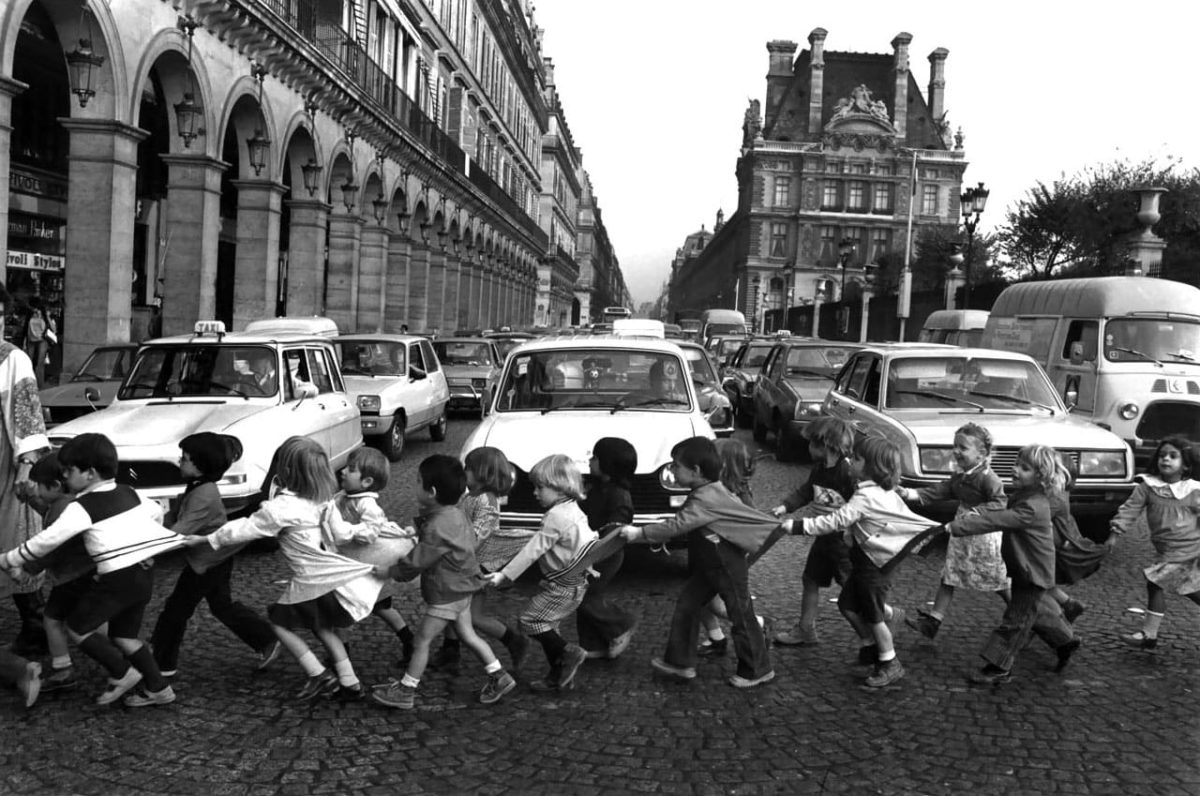
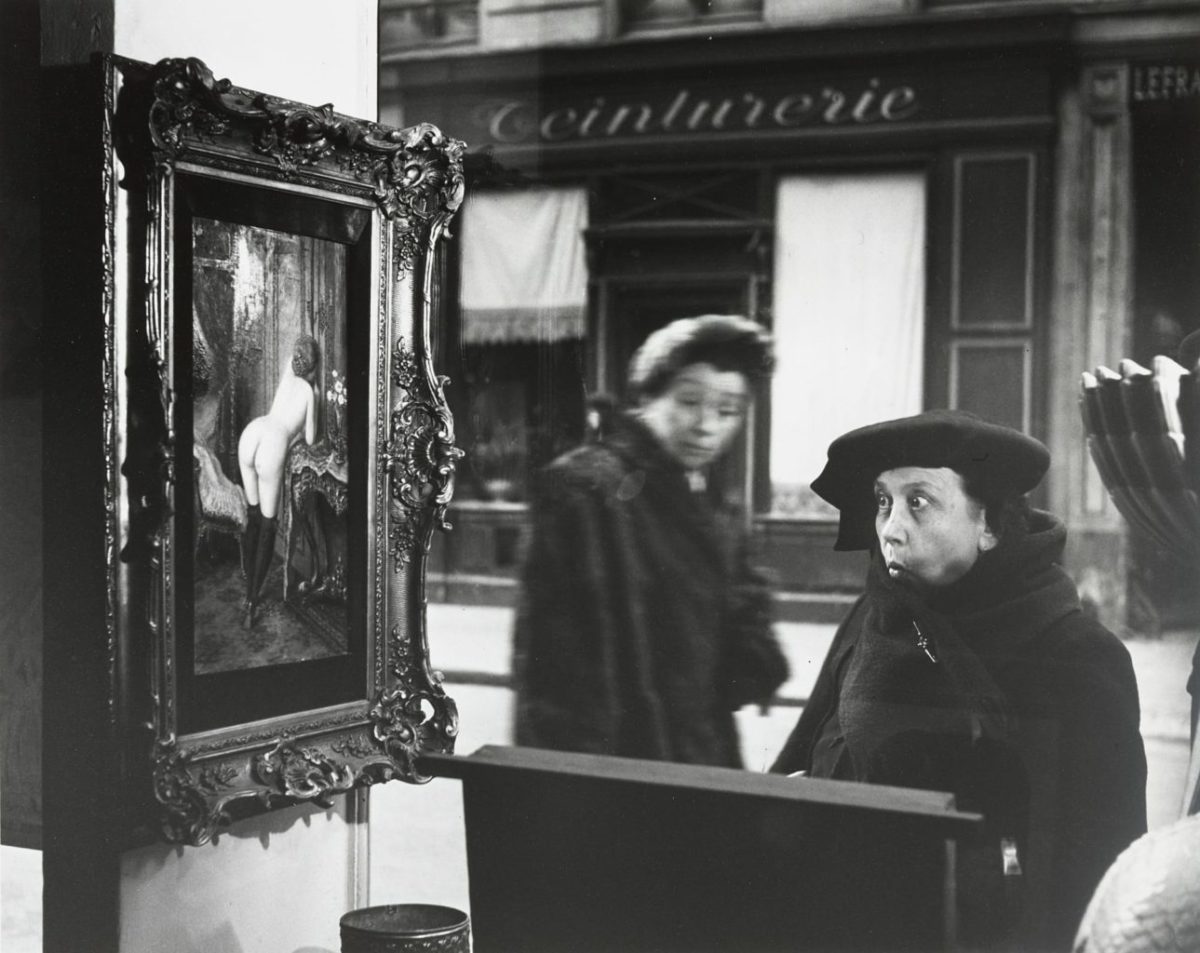
In all sorts of ways he sang the praises of the moments that make up everyday life. Perhaps it is Doisneau's charm and sense of humor that leave their mark on his work. But still, all of them are united by lightness, playful irony, and true humanism. Reality, with all its hardships, contrasts, and imperfections — yes, it is there... But in Doisneau it is presented as amusing, at times eccentric, unexpected, yet not off-putting.
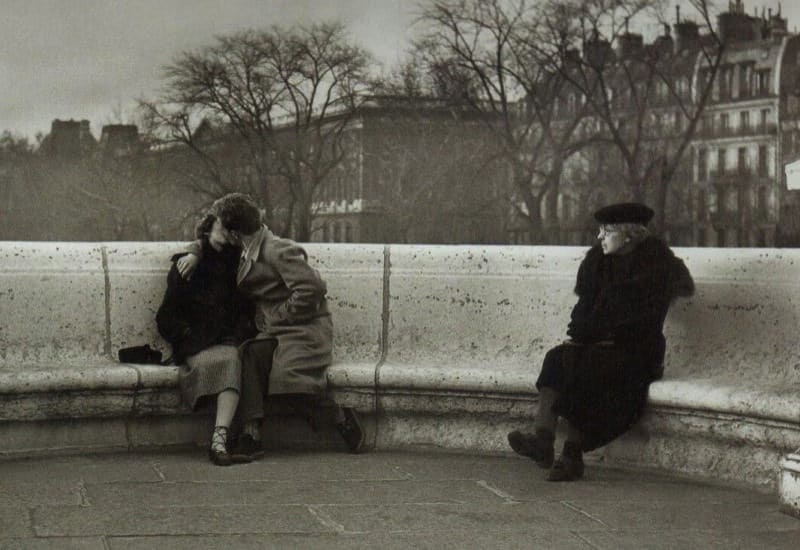
Doisneau became the first photographer whose exhibition was held at the Louvre. He was part of the "Magnificent Five" — that was the name of the famous New York exhibition of the great French photographers. It was organized at the Museum of Modern Art (MoMA) in 1951.
Photographs of Paris — childhood, and grown-up life
An important place in the photographer's work is held by the street culture of childhood. Time and again he returns to the theme of children playing in the streets, far from the unsleeping supervision of grown-ups. Respect and seriousness run through these frames — not for nothing were several primary schools later named after the photographer.
In all sorts of ways he sang the praises of the moments that make up everyday life. Perhaps it is Doisneau's charm and sense of humor that leave their mark on his work. But still, all of them are united by lightness, playful irony, and true humanism. Reality, with all its hardships, contrasts, and imperfections — yes, it is there... But in Doisneau it is presented as amusing, at times eccentric, unexpected, yet not off-putting.
Doisneau became the first photographer whose exhibition was held at the Louvre. He was part of the "Magnificent Five" — that was the name of the famous New York exhibition of the great French photographers. It was organized at the Museum of Modern Art (MoMA) in 1951.
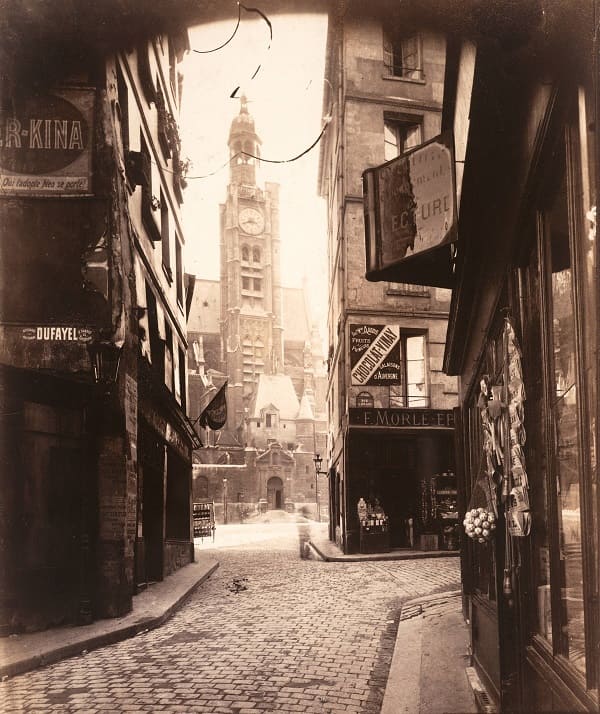
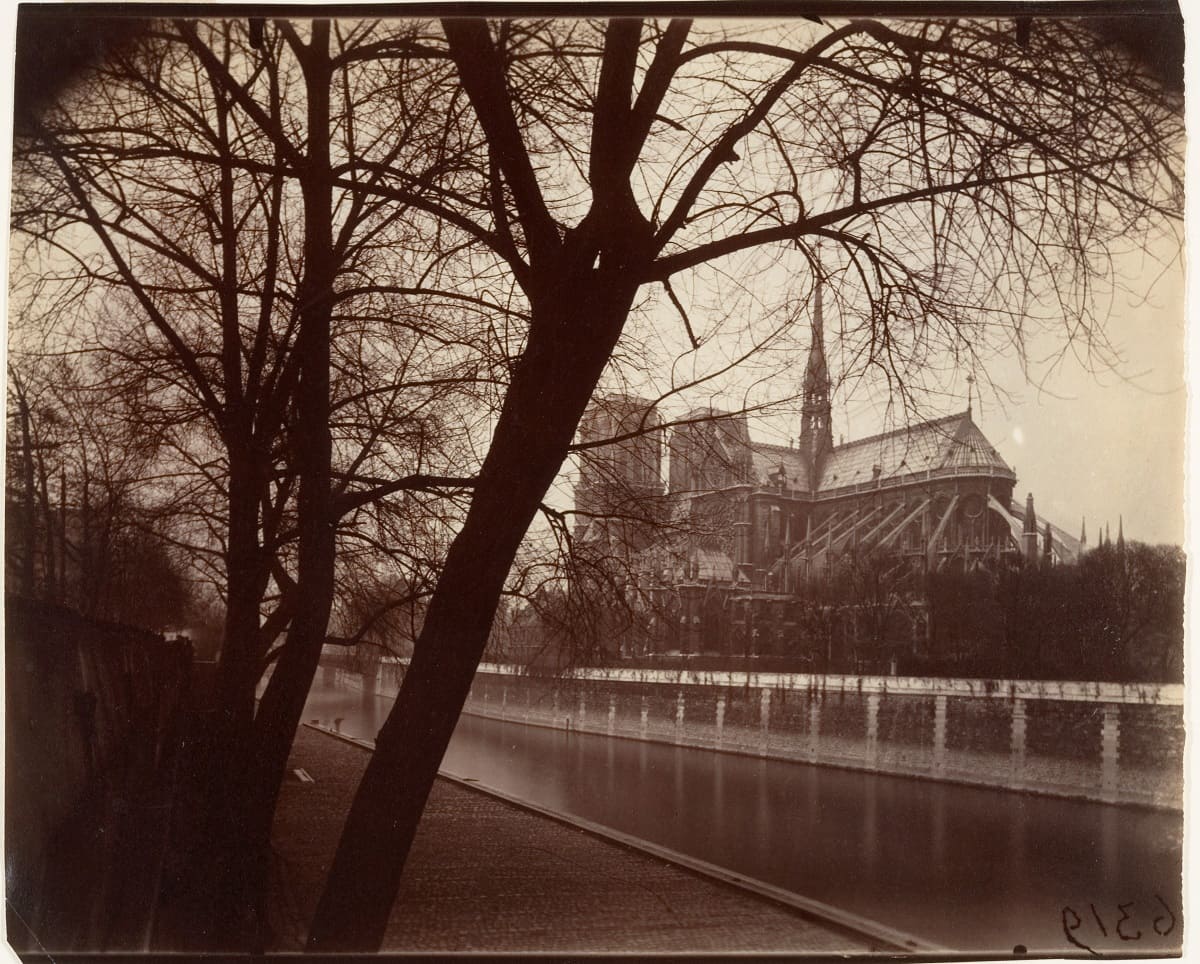
Photographs of Paris — Eugène Atget (Jean-Eugène-Auguste Atget)
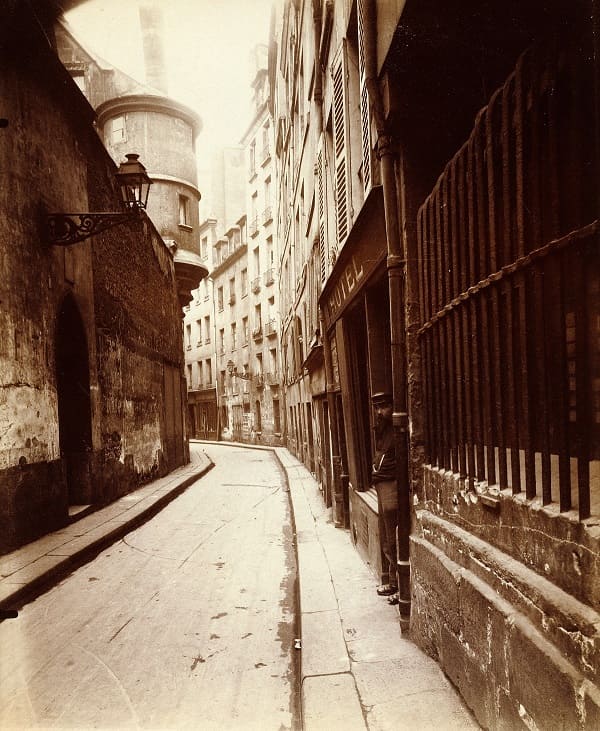
"As a result of more than twenty years of labor and personal initiative, I have gathered all the little streets of Old Paris on photographic plates measuring 18×24. It is an artistic documentation of beautiful civil architecture from the 16th to the 19th century. Old hôtels, historic and curious houses, beautiful façades, beautiful doors. It is beautiful woodwork, door knockers, old fountains. And the vast artistic and documentary collection is complete. I can sincerely say that I own all of Old Paris," — Eugène Atget.
The Owner of Old Paris
Atget was born in 1857 in Libourne. As a child he was orphaned and raised by his grandfather in Bordeaux. Having received a secondary education, he went off to the merchant navy. In 1878 Atget moved to Paris, where he enrolled in acting courses. His acting career lasted fifteen years without any particular success, in the troupe of a traveling theater. Because of an illness of the vocal cords, he had to leave acting and take up painting. In the late 1880s, photography too came among his interests. And now, among ours, are his old photographs of Paris.
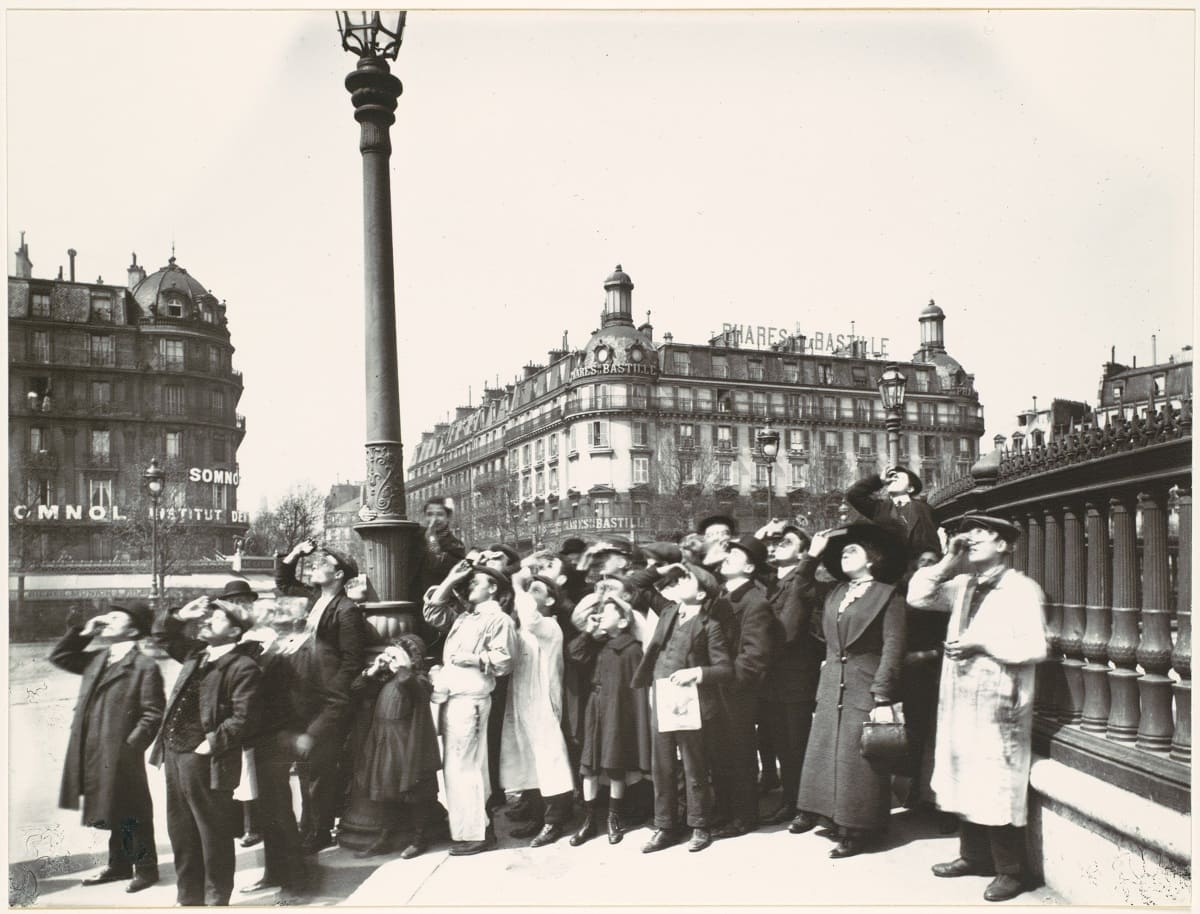
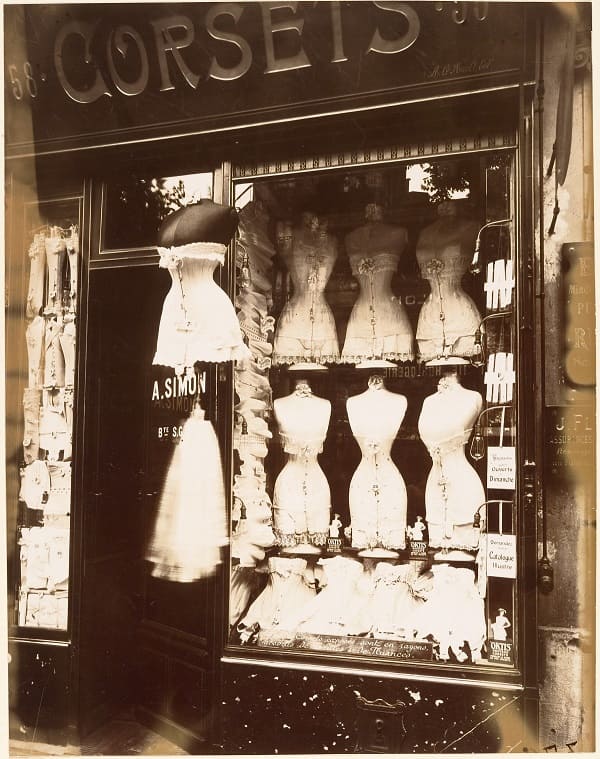
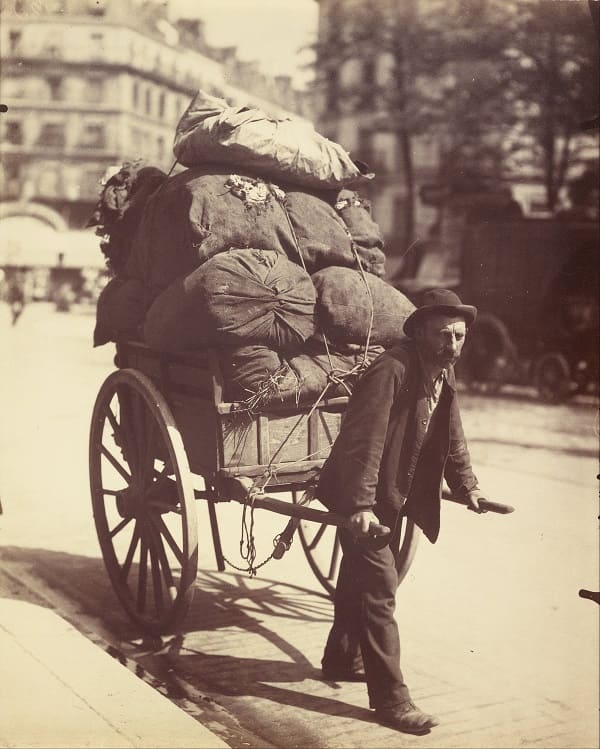
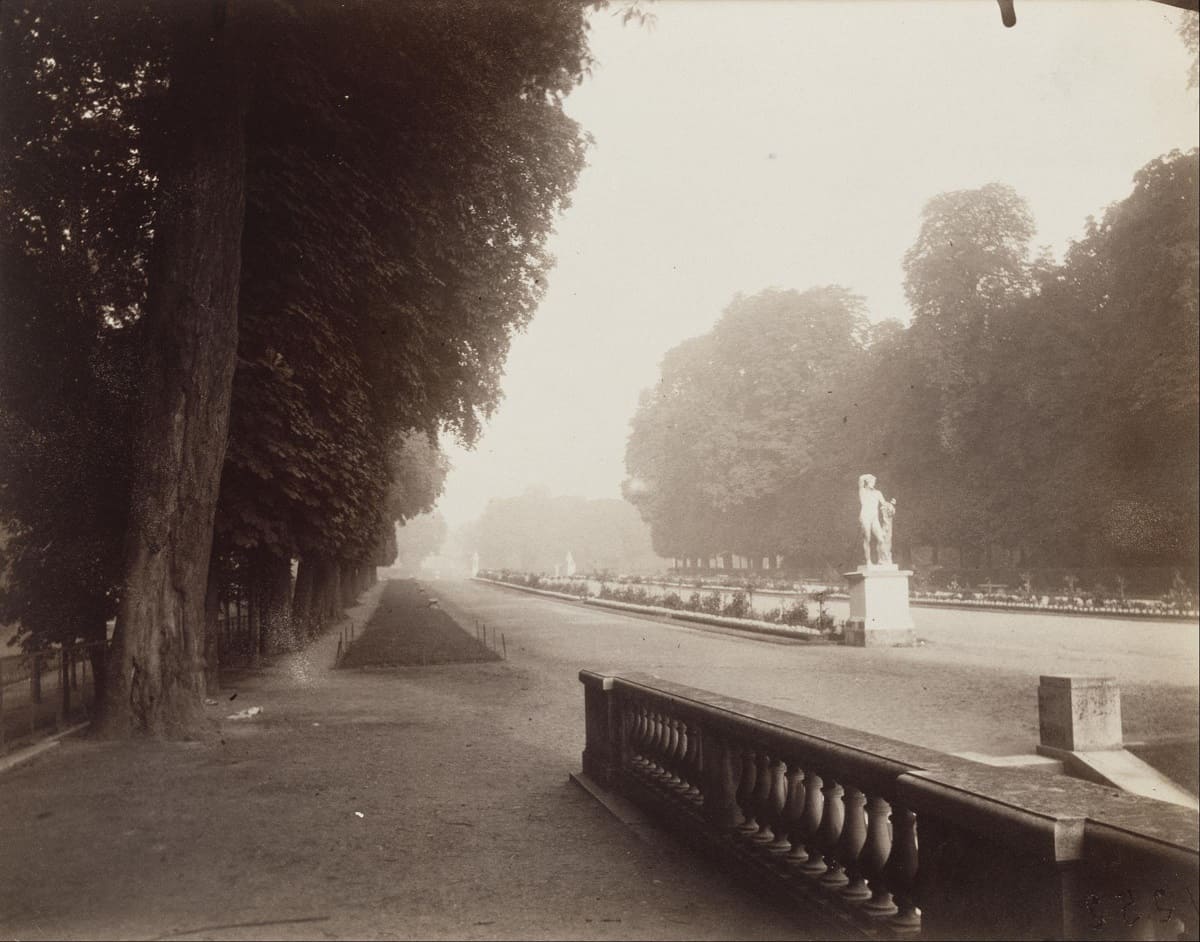
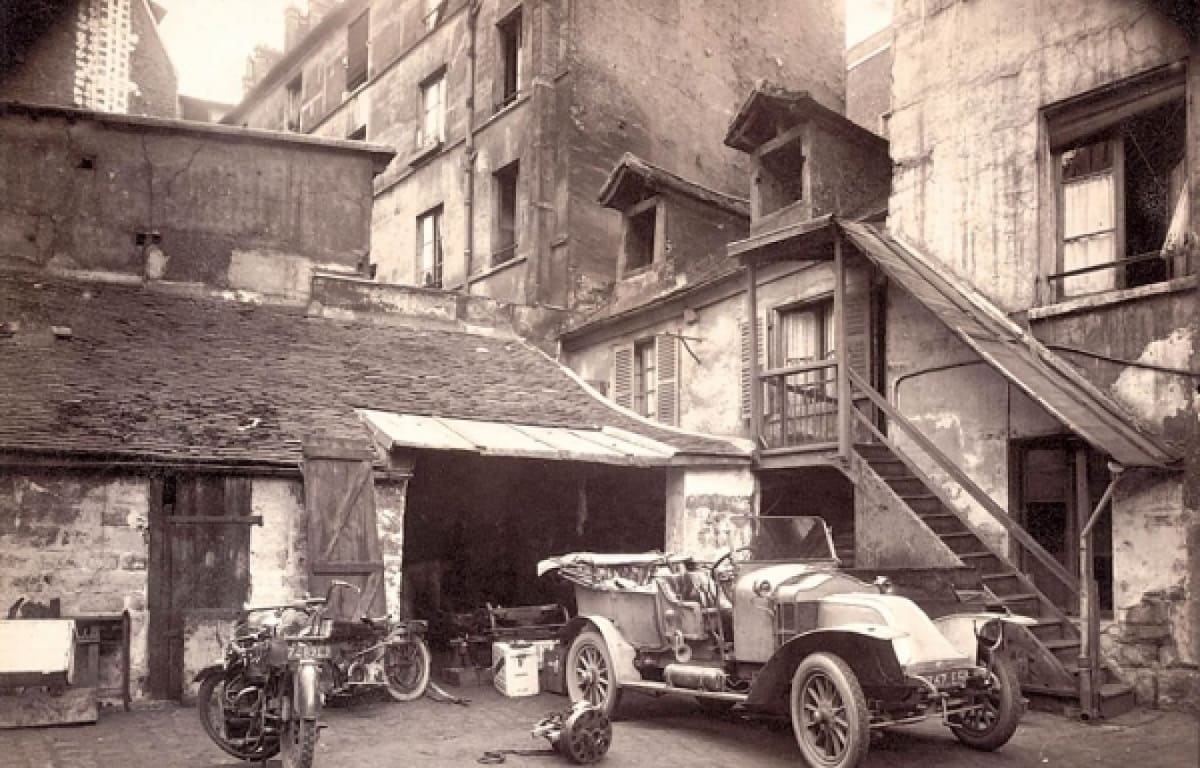
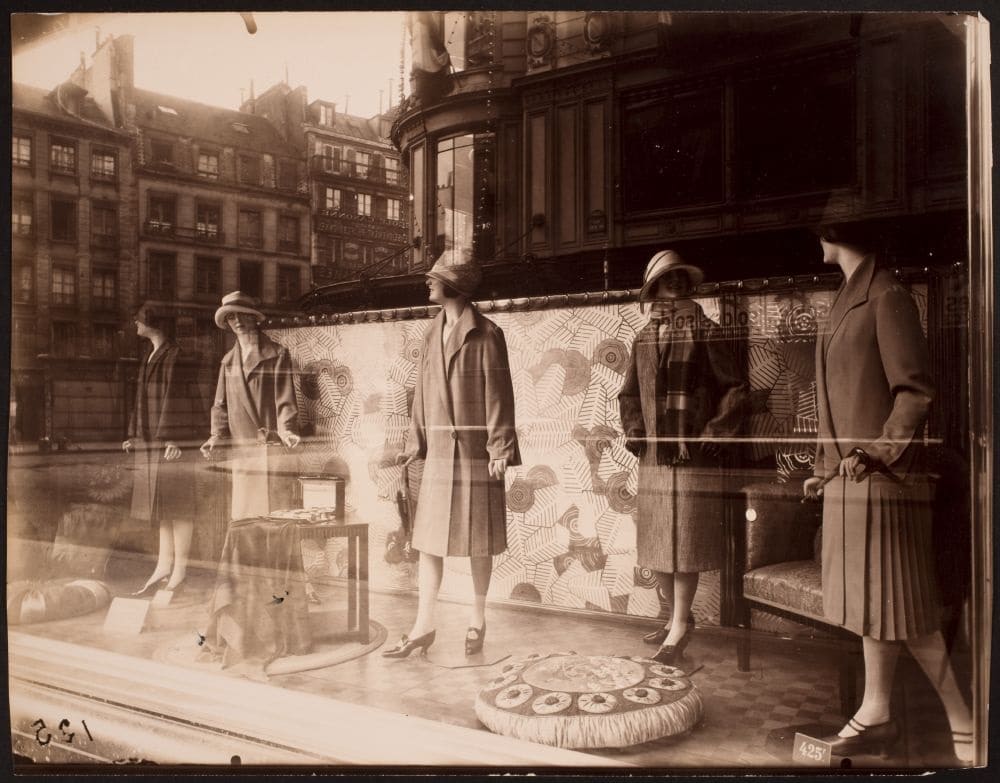
The beginning of the new century was accompanied by an unprecedented technical rise. The first automobiles, airplanes, and cinemas were appearing. New kinds of art were developing, photography among them: as a fusion of technology and the visual arts. Eugène Atget found his calling in photographing the streets of Paris. The city was rapidly changing its appearance, and much of what the photographer managed to capture would soon disappear. His photographs of Paris streets were becoming a document of a vanished era.
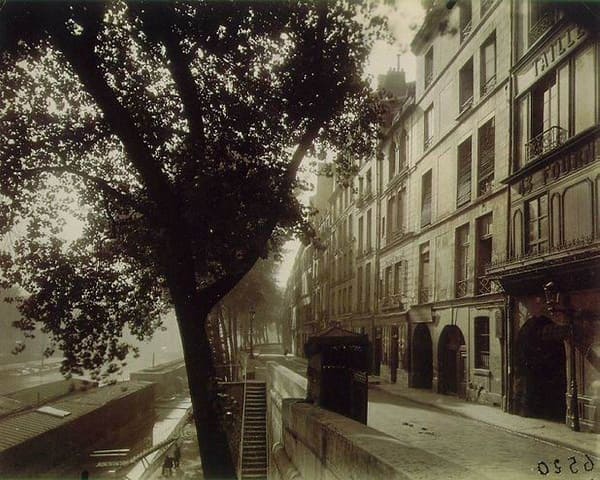
Poet and Archivist of Paris
Atget would rise before dawn to catch morning Paris in time: sleepy little streets, city parks, small courtyards... He had a camera with a soft lens, and the views came out blurred. For these works he would later be called a poet: the Parisian Walt Whitman. Atget's earnings were meager. Once he was struck on the head with a brick to be robbed. It is fortunate that the photographer managed to defend his chief treasure — his bulky, by then outdated camera.
In old clothes, a black cloth in his hands, he would wander the city's little streets, armed with the heavy camera. It was a rather large device, which had to be carried along with the tripod. The shots were recorded on plates of 18×24 cm, and the focus was set with special bellows. Instead of a light meter, Atget used tables of his own making.
Which Matters More?
For many researchers he is, above all, the creator of idyllic Parisian views. He acquired a reputation as the maker of somewhat unusual, yet graceful and romantic photographs of old Paris. That reputation stuck to Atget and remains important in any assessment of his work.
There is also another opinion — that what matters in assessing his work is the scale of the archive, the entire body of 10,000 shots. It is held that the meaning of his activity lies not only in the creation of individual images. In that case what matters is the exceptional number of photographs (around 10,000), as well as the use of a systematic principle of the archive.
It is held that Atget's main idea was to create a catalogue of Parisian monuments. But his photographs of Paris became no lesser a monument themselves. In 1968 the New York Museum of Modern Art acquired the collection of Atget's works from the archive of Berenice Abbott. Today Atget is a major figure in the history of the art of photography.
Photographs of Paris — Henri Cartier-Bresson
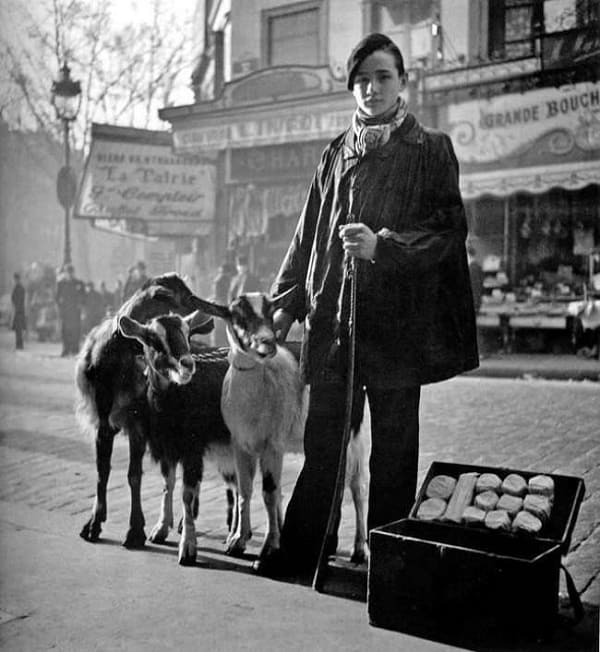
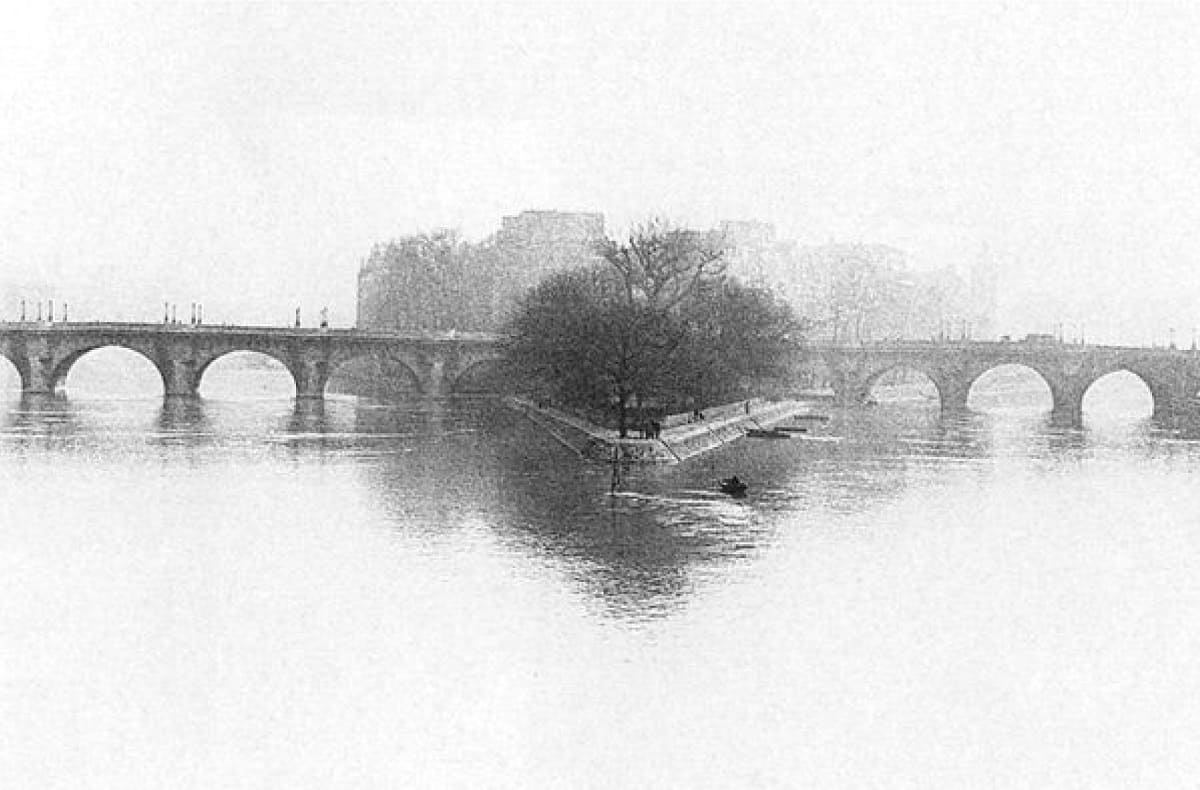
Cartier-Bresson's Paris is closer to us in time than the works of Doisneau or Atget. He showed us an already new Paris, where Black Parisians casually sell souvenirs. And where, once again, it is people from the former African colonies who work as street sweepers. This city, gradually filling with new realities, still radiates French gallantry. His Paris is beautiful photographs of newer technologies — but it is also old photographs of Paris with their retro charm.
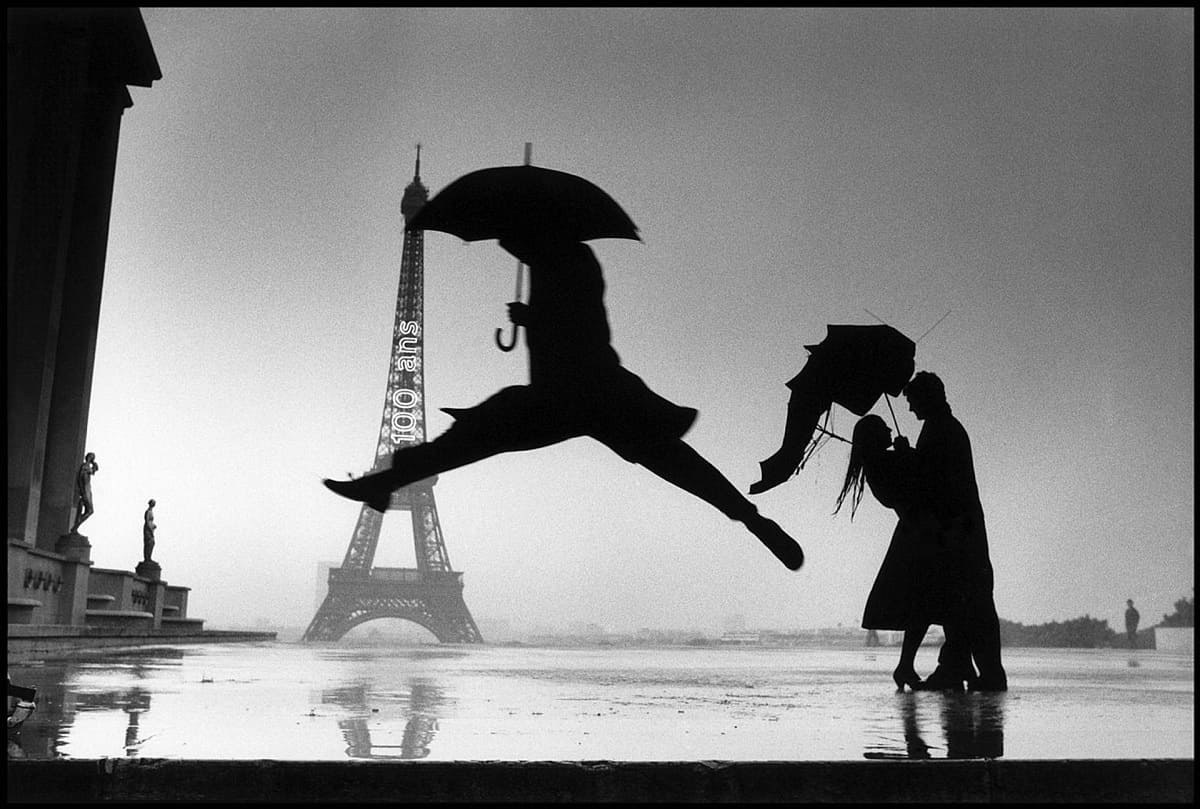
Wikipedia: August 22, 1908 — August 3, 2004. A master of realistic photography of the 20th century, an art photographer, the father of photo-reportage and photojournalism.
His photographs of Paris are a description of the city. Documentary and truthful, as far as that is possible for an art photographer.
I can't stand staging events and directing them. It's dreadful... You can't fake the real thing. I love the truth, and I show only the truth...
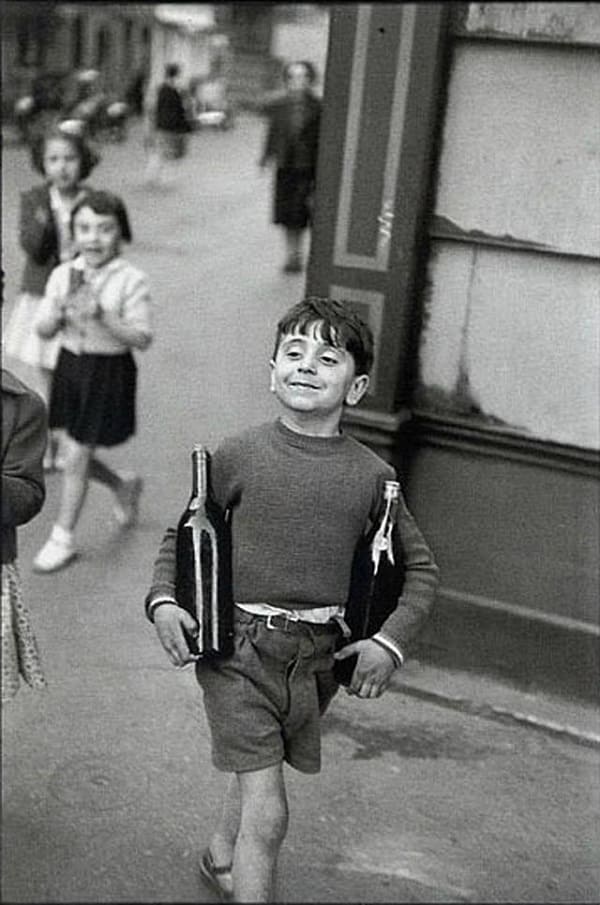
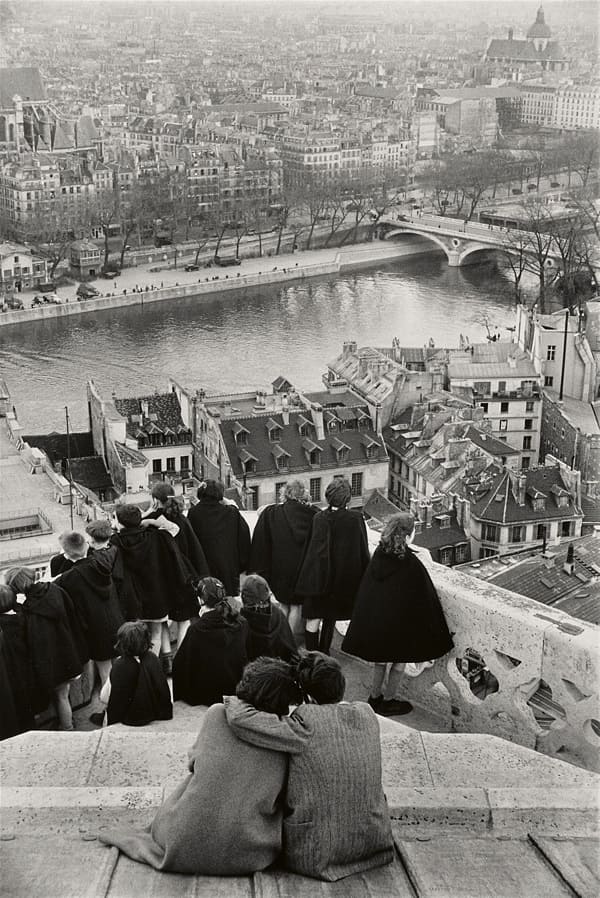
For seven years Cartier-Bresson studied in the studio of the painter André Lhote. At 21, in 1929, he began attending lectures on painting at Cambridge University. That same year Henri returned to Paris, where he made the acquaintance of figures from the artistic and literary bohemia.
The Decisive Moment
"The Decisive Moment" is the article in which Cartier-Bresson set out his principles and explained his vision of photography. This article, even though written by a man from the "era of film," remains relevant in our digital age too.
The text opens with a quotation from Cardinal de Retz, which gave the whole article its title:
There is nothing in this world that does not have its decisive moment.
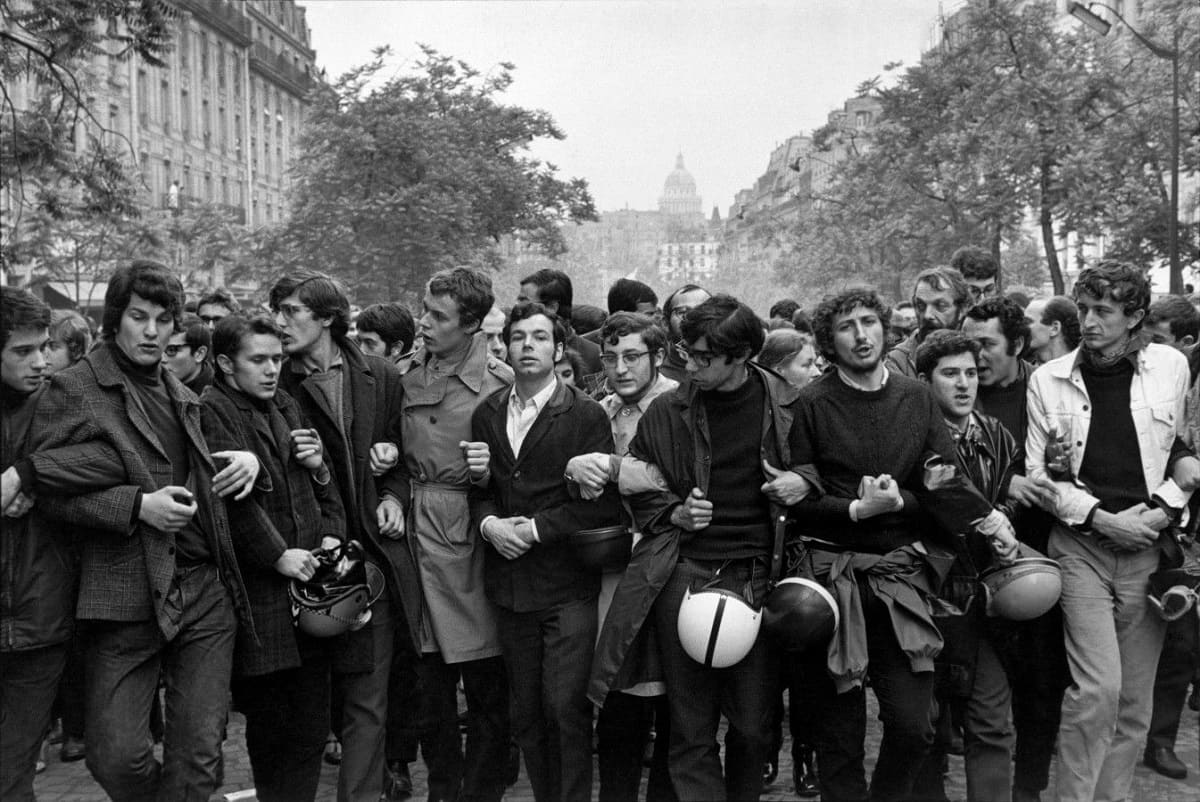
He tried to shoot any scene at the moment it reached its highest emotional tension. A moment bound up with his feeling for pictorial form, which he called the "decisive moment." What did that expression mean for Cartier-Bresson?
The instantaneous recognition, in a fraction of a second, of the significance of what is happening, and at the same time the precise organization of forms. They give that event the expression that suits it.
Photographs of Paris and Life
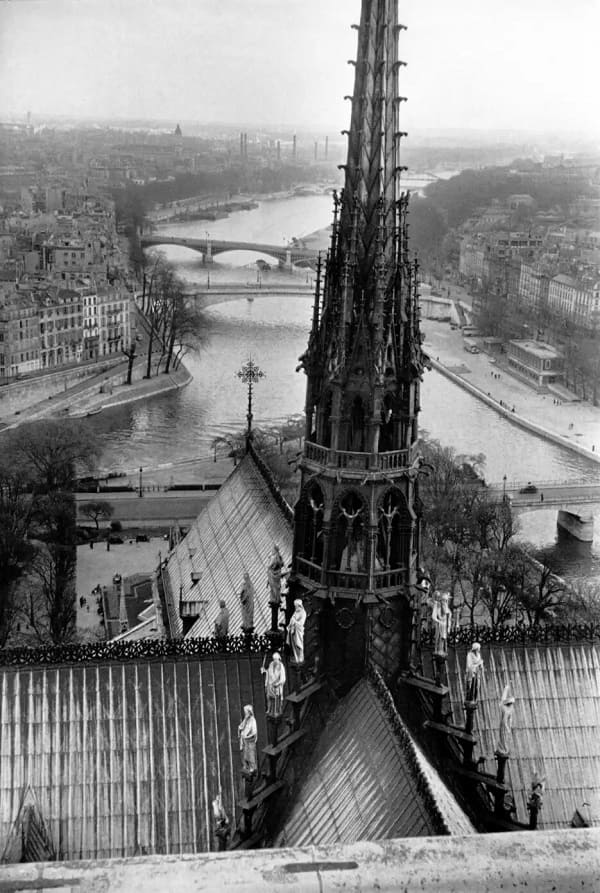
He traveled a great deal. Having returned from Africa back to France, Cartier-Bresson met his "love" — a camera made by the German firm Leica. It became, in the master's words, "an extension of his eye," and he never parted with it again. Henri took to roaming the streets, consumed by the desire to capture, to seize a certain split-second moment. It seemed that without his camera that moment would evaporate, vanish forever. The master compares the process to an attempt to catch life "in a trap." He caught the landmarks of Paris into his photographs. And a photograph of Paris was a little piece of life.
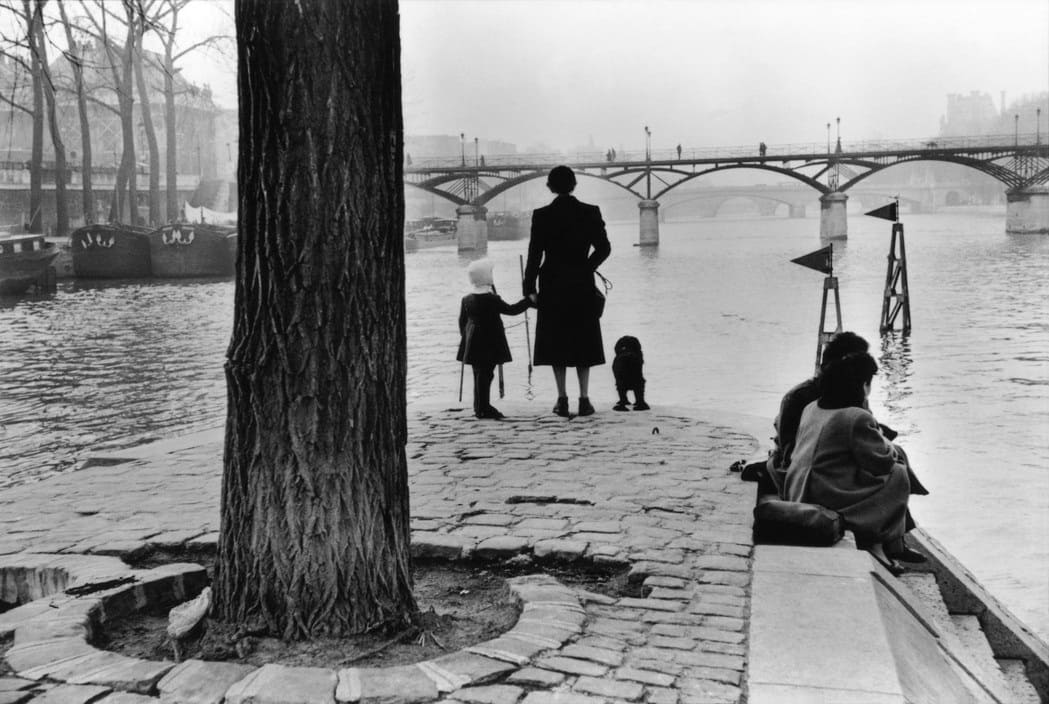
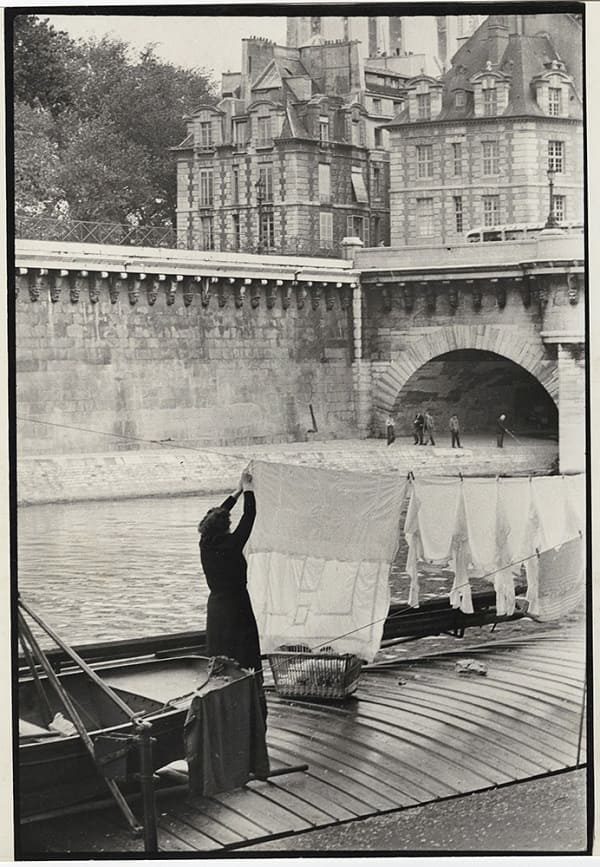
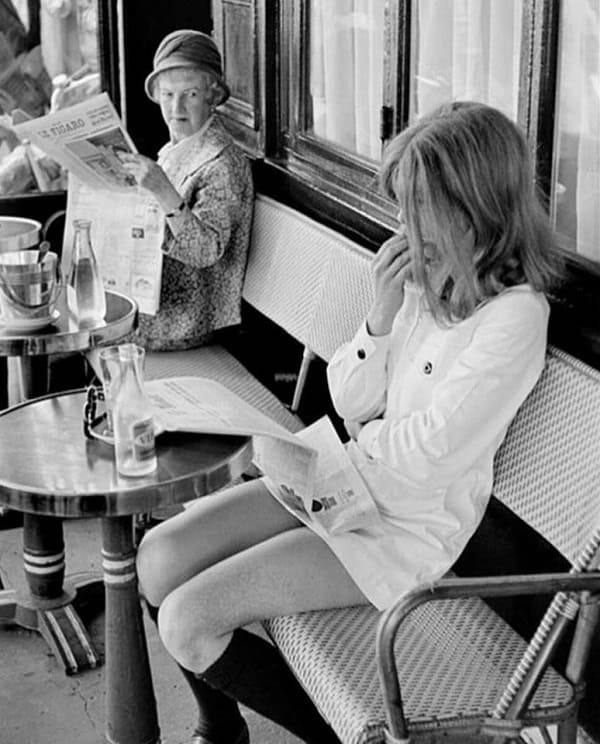
It was enough for him, what was happening around him...
Cartier-Bresson reached the peak of his popularity in the fifties of the last century. He exhibited in many countries of Europe, Asia, and America, and well-known publications ran his shots. The master's visits to the USSR in 1954 and 1972 did a good deal to help this along.
And those who were around him...
Bresson photographed both ordinary people and quite eminent figures, and the significant events of the 20th century. Irène and Frédéric Joliot-Curie, Henri Matisse, Albert Camus, William Faulkner, Truman Capote. Jean Renoir, André Breton, Marilyn Monroe, Roland Barthes, Coco Chanel. And these are only some of the famous personalities he captured. In the photo below: Jean-Paul Sartre.
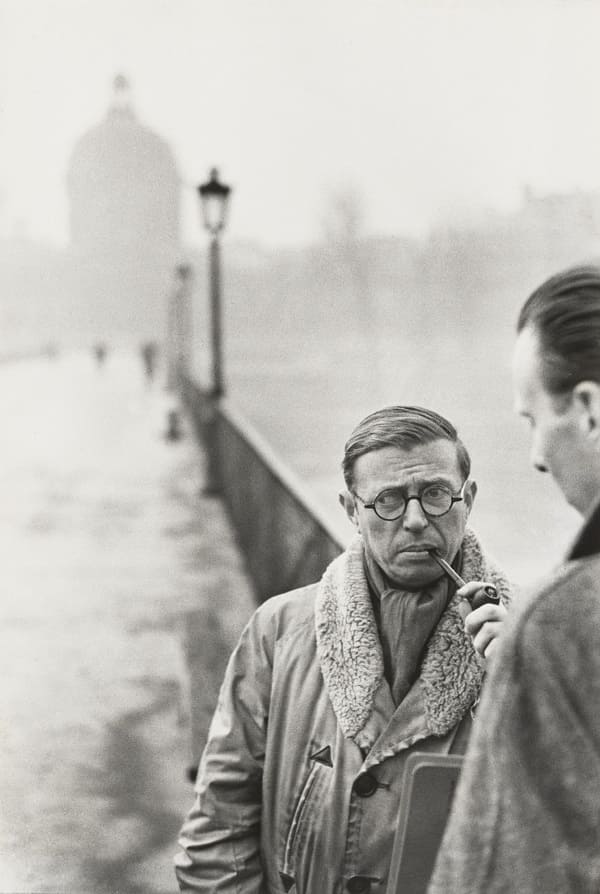
Paradoxically, the art of photography, which raised him to the summit of world fame, Cartier-Bresson ranked lower than painting. He used the camera as an instrument that can only fix an amusing moment. And he saw no art in it at all. In the words of this genius of photography, he had no wish whatsoever to direct staged scenes.
Because of his age, Henri gradually gave up the practice of photography and returned to painting. He would take out his camera only to photograph his daughter, his wife, and the cats.
Bresson passed away in 2004 at the age of 95 in the town of L'Isle-sur-la-Sorgue. He was buried in a private cemetery. During his lifetime Henri joked that he had no imagination, which was why he never became a painter and gave up directing.
Taking photographs, in his words, is always easier.
Photographs of Paris — Izis Bidermanas
Born in Lithuania, in the town of Marijampolė. In 1930 he moved to France to become a painter. Being a Jew, during the Nazi occupation he was forced to leave Paris. When France was liberated and the war ended, Izis already had a ready series of portraits of the maquis (the partisans). This series, once published, brought him renown.
After returning to Paris, he became friends with the poet Jacques Prévert and other creative figures. Izis became a well-known figure of French humanist photography.
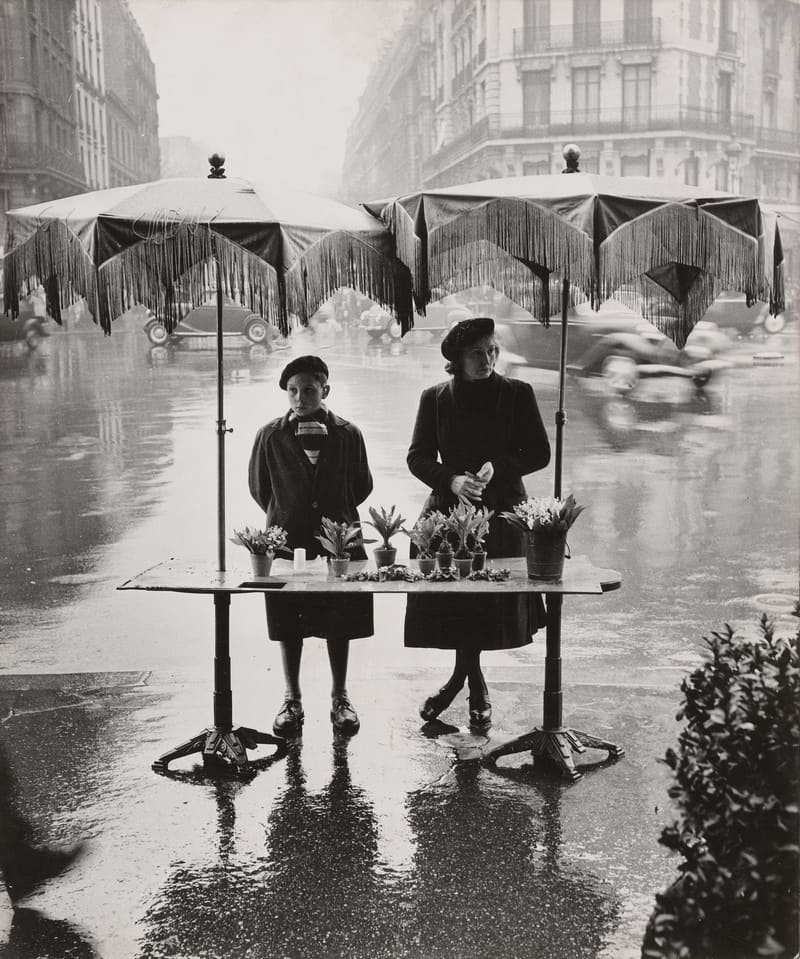
A Paris Out of Dreams
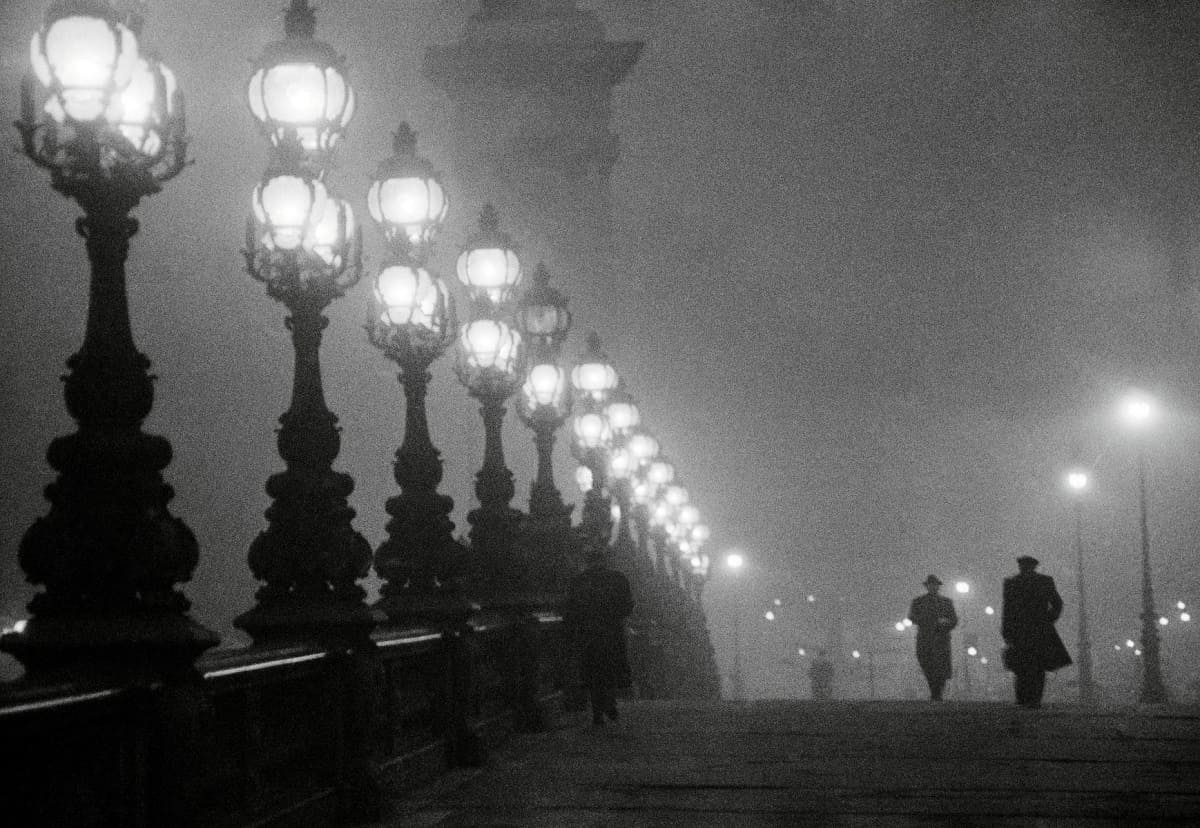
The photographer was in love with this city and with the romance of the Paris streets. Shops, embankments, faces, scenes, people sleeping in the streets — all of Parisian life. Of his photographs of Paris he used to say: "This is not modern Paris, nor old Paris, but simply my own."
His most beautiful frames went into the books "Paris Out of Dreams" and "The Grand Spring Ball." The photographer's style took on poetic and recognizable features. Many photographs of Paris are known to the broad public from the black-and-white postcards that used to be sold in the kiosks.
Photographs of Paris — Willy Ronis
August 14, 1910, Paris — September 12, 2009, in the same place. In 1936 he took up photo-reportage and met Robert Capa, Brassaï, and Cartier-Bresson. He became a leading master of French humanist photography. Together with Cartier-Bresson, Robert Doisneau, Izis Bidermanas, and Brassaï, he belongs to the "Magnificent Five." That was the name given to the participants in the exhibition "Five French Photographers" at the Museum of Modern Art in New York.
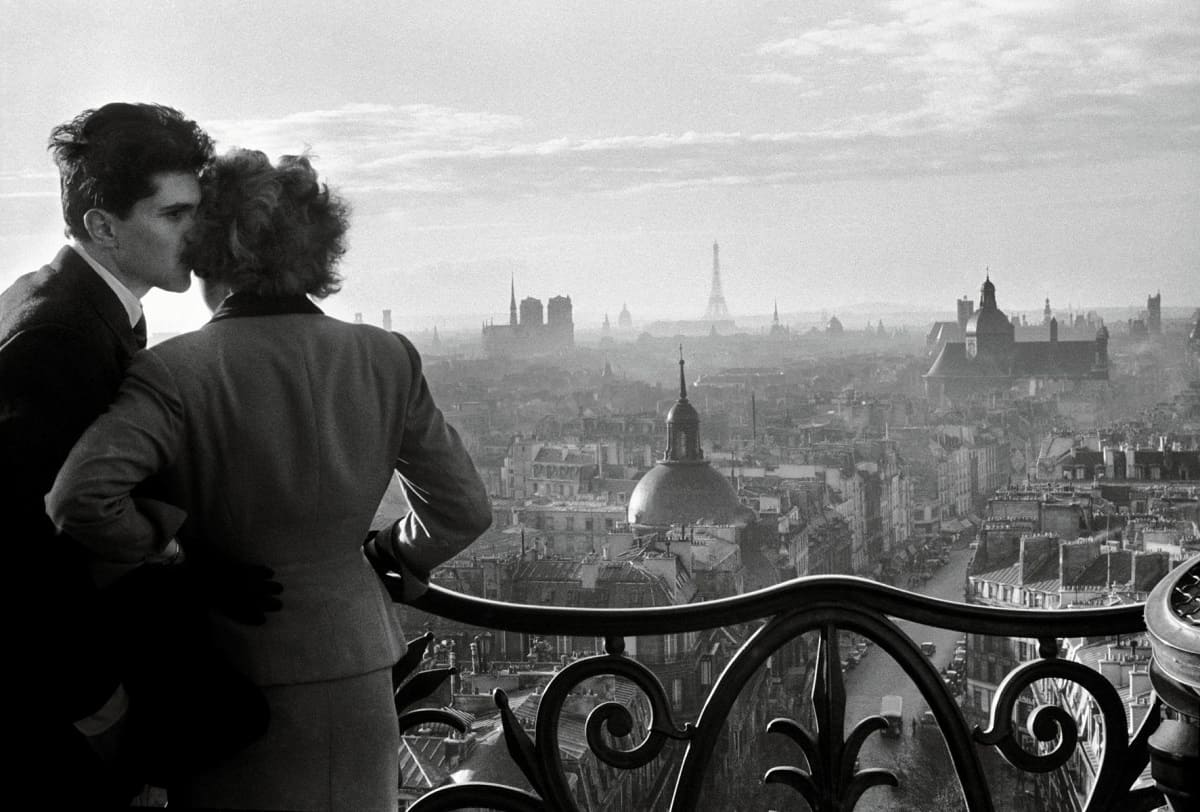
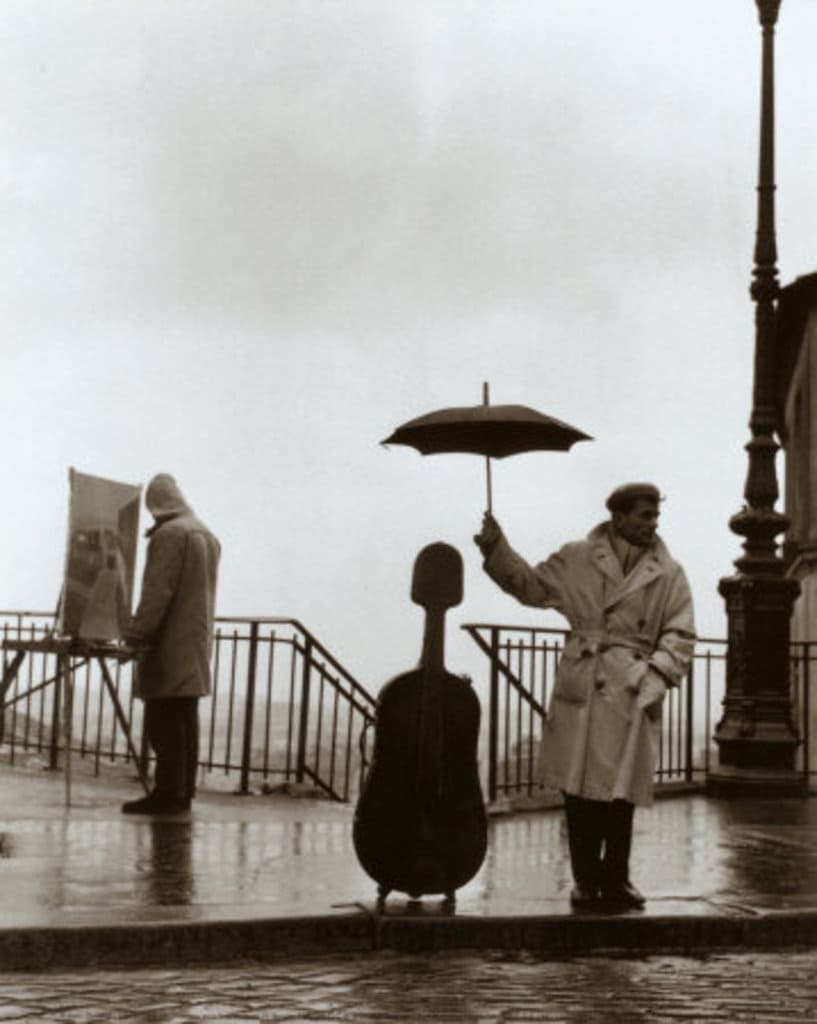
Having become a gifted violinist, Willy Ronis found a kinship between music and photography. He used to say that three planes in a single picture are like three different melodies in a fugue, which combine together to bring the separate parts into harmony.
He would wander the streets of Belleville and Ménilmontant with a camera in his hands, catching spontaneous moments. But Ronis cannot be called a detached and impartial street photographer. His frames are shot through with a sense of closeness and sympathy, since the author knew and understood the life of Parisians well.
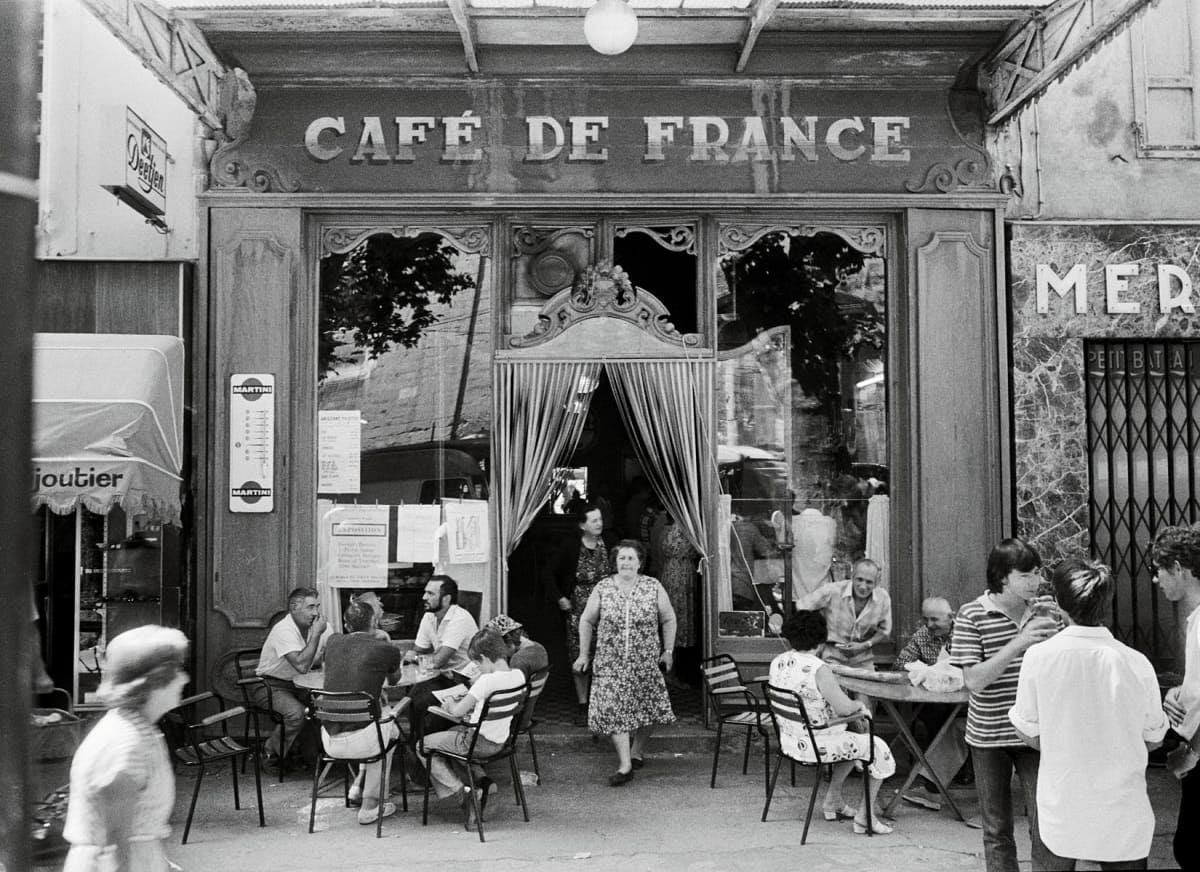
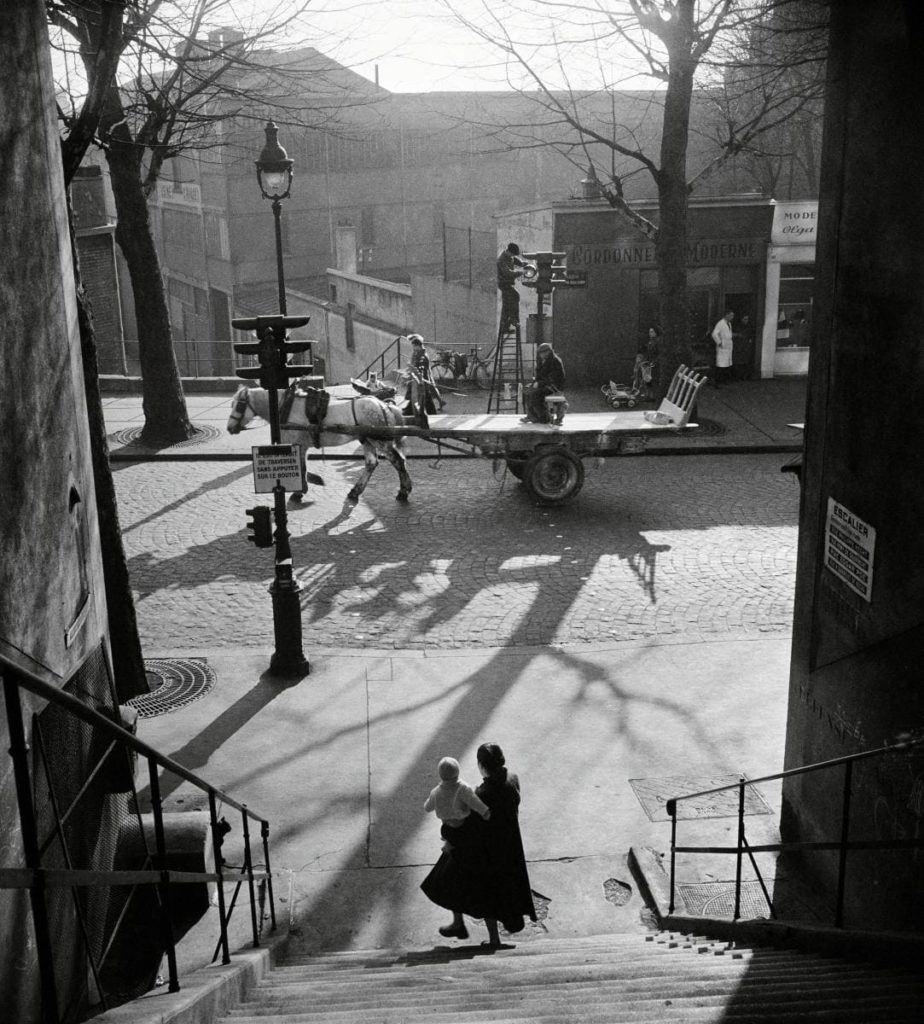
For his talent he was awarded the Venice Gold Medal, an order, and the Grand Prize for Literature and the Arts. He became a Chevalier of the Legion of Honor. The Royal Photographic Society of Britain admitted him into its ranks. The University of Warwick made him an honorary doctor. And that is to say nothing of the more than 50 albums put out and the numerous exhibitions that go on to this day.
Reporter. Teacher. Writer
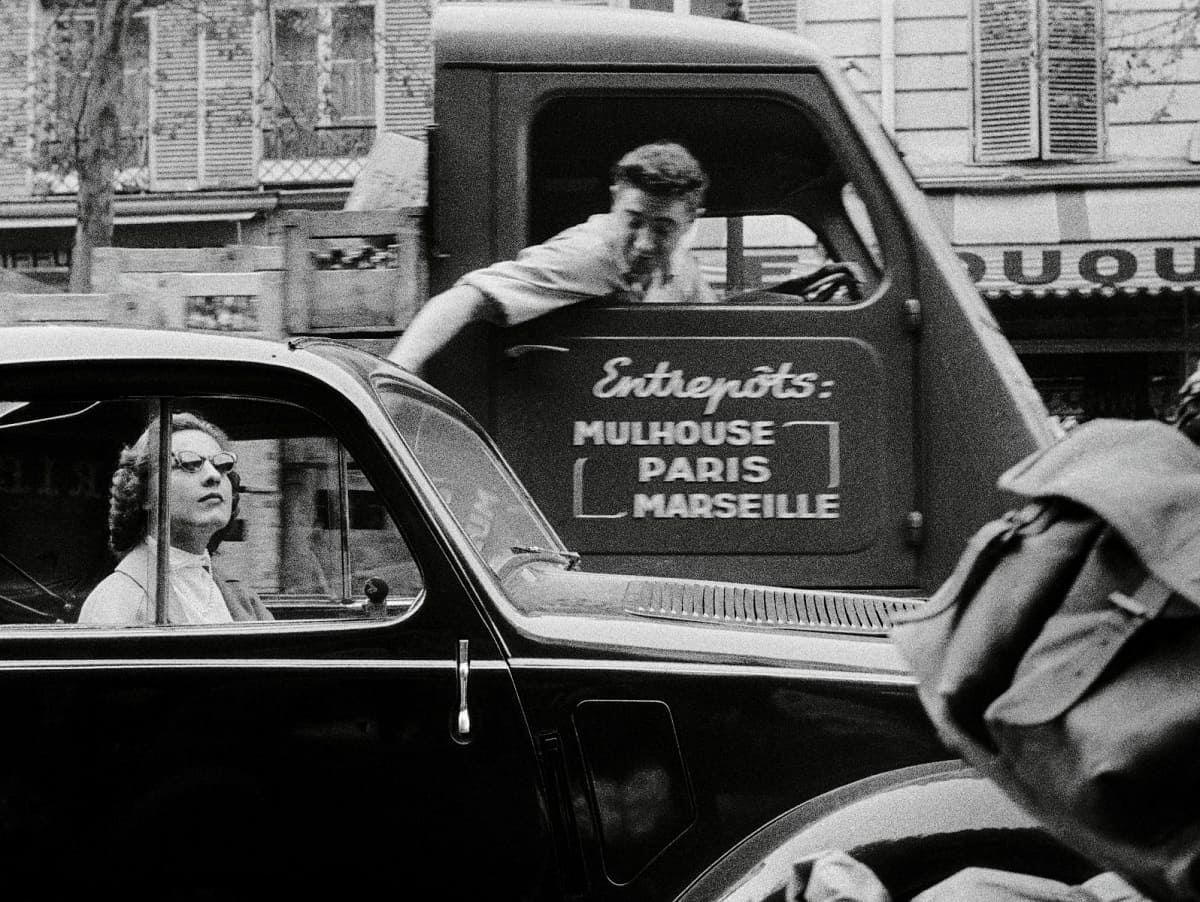
Even while working as a social photo-reporter, Willy Ronis never betrayed his creative approach. He would notice touching and amusing details on the Paris streets. The cat warming itself by the stove, and the children walking in pairs behind their teacher in the schoolyard on rue Ménilmontant. The waitresses chatting merrily in a café...
In the early '60s Ronis left Paris for Provence in order to devote himself fully to teaching. He worked with students at the School of Fine Arts in Avignon, Marseille, and Aix-en-Provence. He lived in Provence until the '80s, continuing to shoot actively. In 1981 the photographer was awarded the Prix Nadar for his photo book.
In the 2000s he withdrew from his affairs, since, getting around with a cane, he could no longer handle a camera freely. Willy Ronis went on working on books and albums, and exhibitions of his work were held in Paris and all over the world.
He departed this life at the age of 99. As far back as 1983, Ronis had officially handed over his entire creative legacy to France.
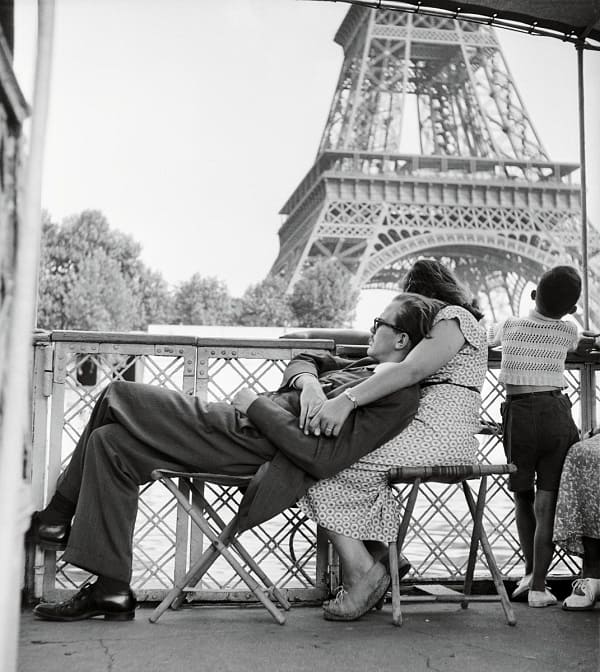
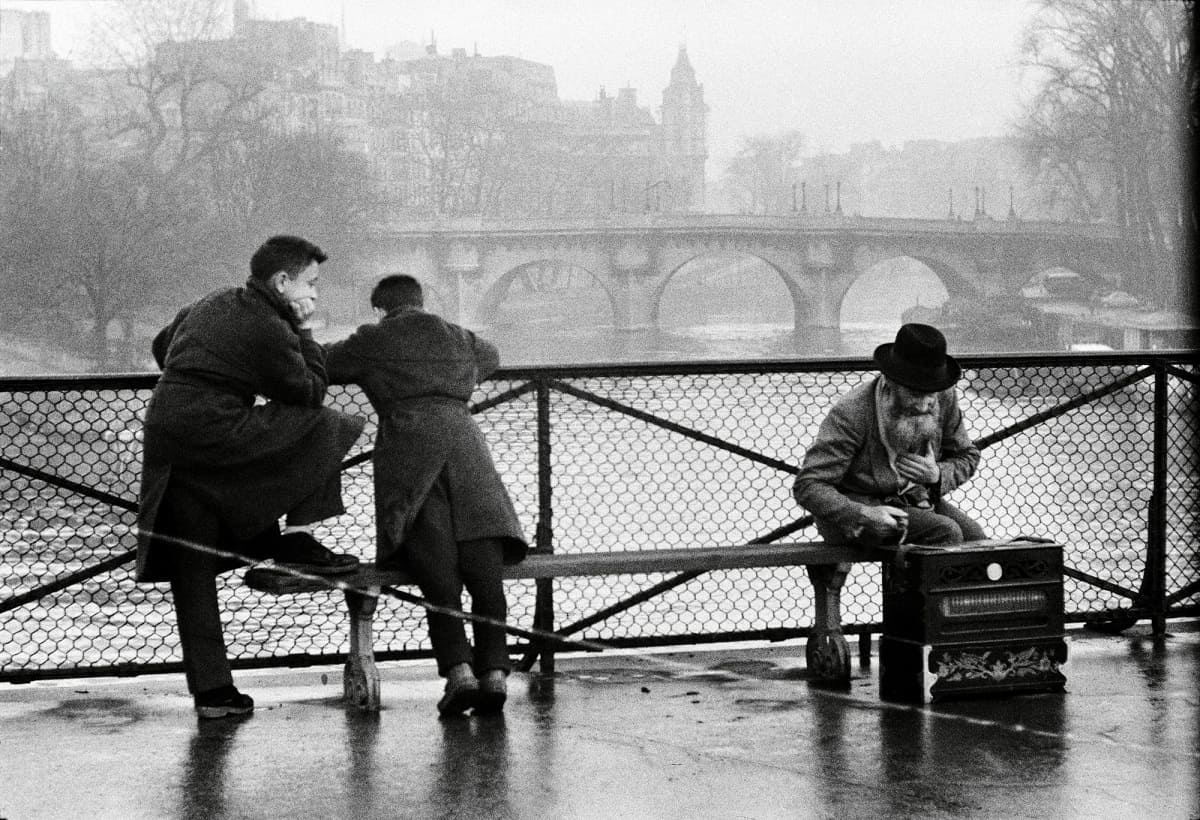
Photographs of Paris — Miscellany
And so this story about Paris is finished. So did it really exist? Probably, after all, yes. At least for one second, at the "decisive moment" — remember? — of each shot, it existed.
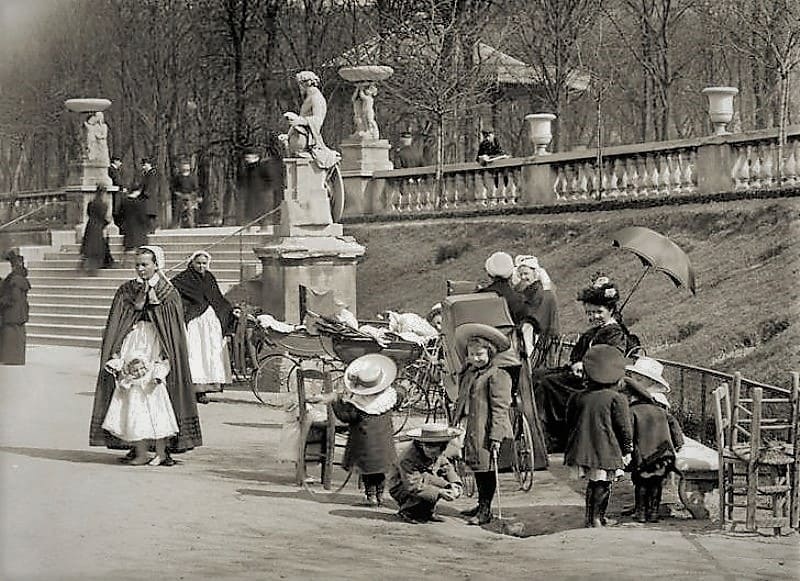
The Seberger Brothers. Governesses with Children in the Luxembourg Gardens.
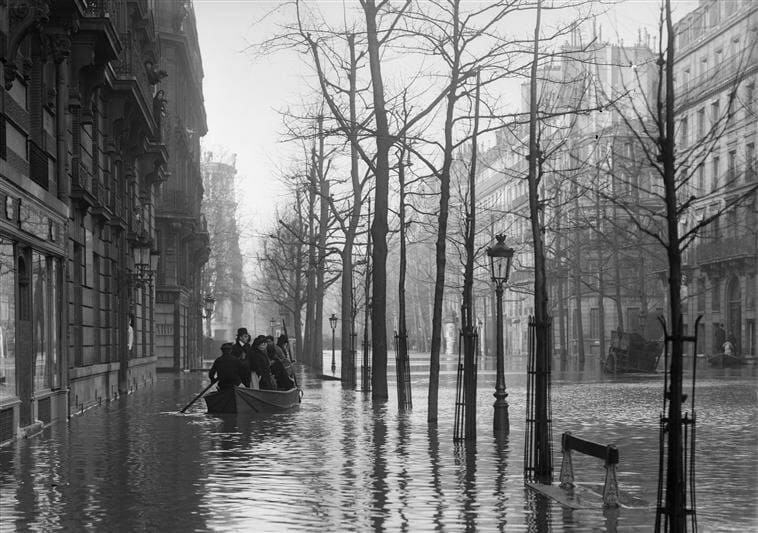
Seberger Brothers. Flood of 1910. Boulevard Haussmann.
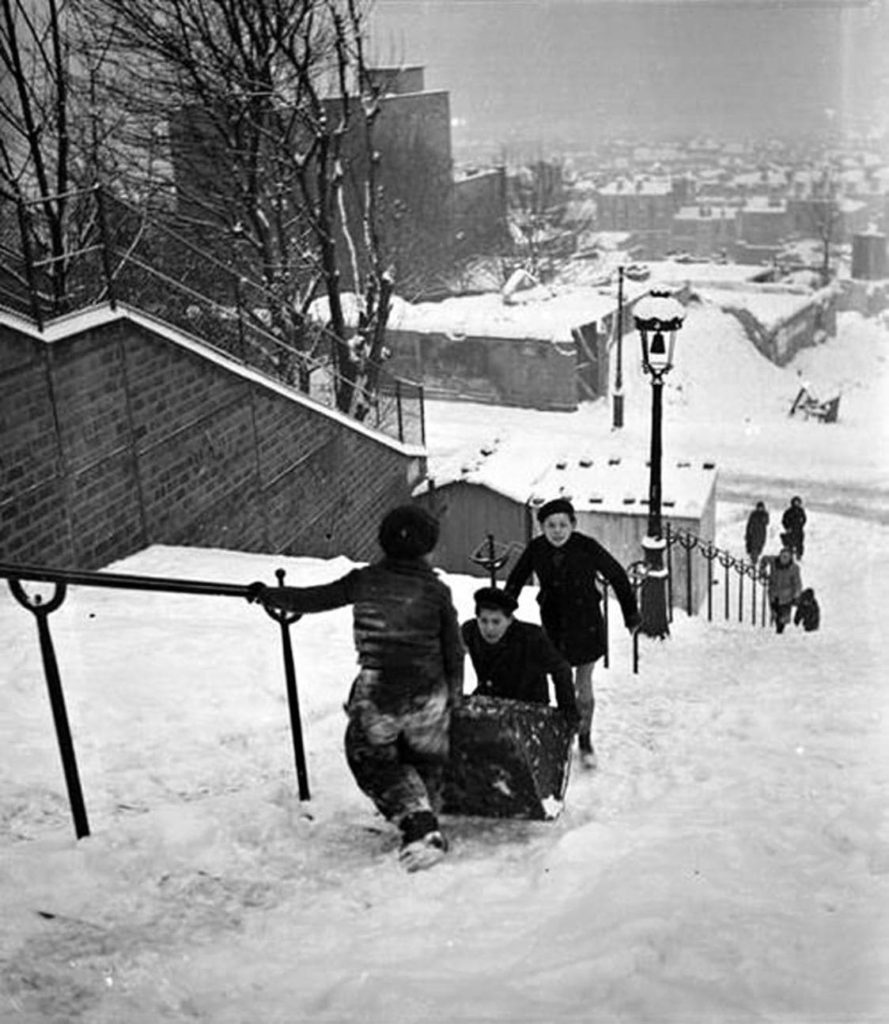
Marcel Bovis - Montmartre, 1945.
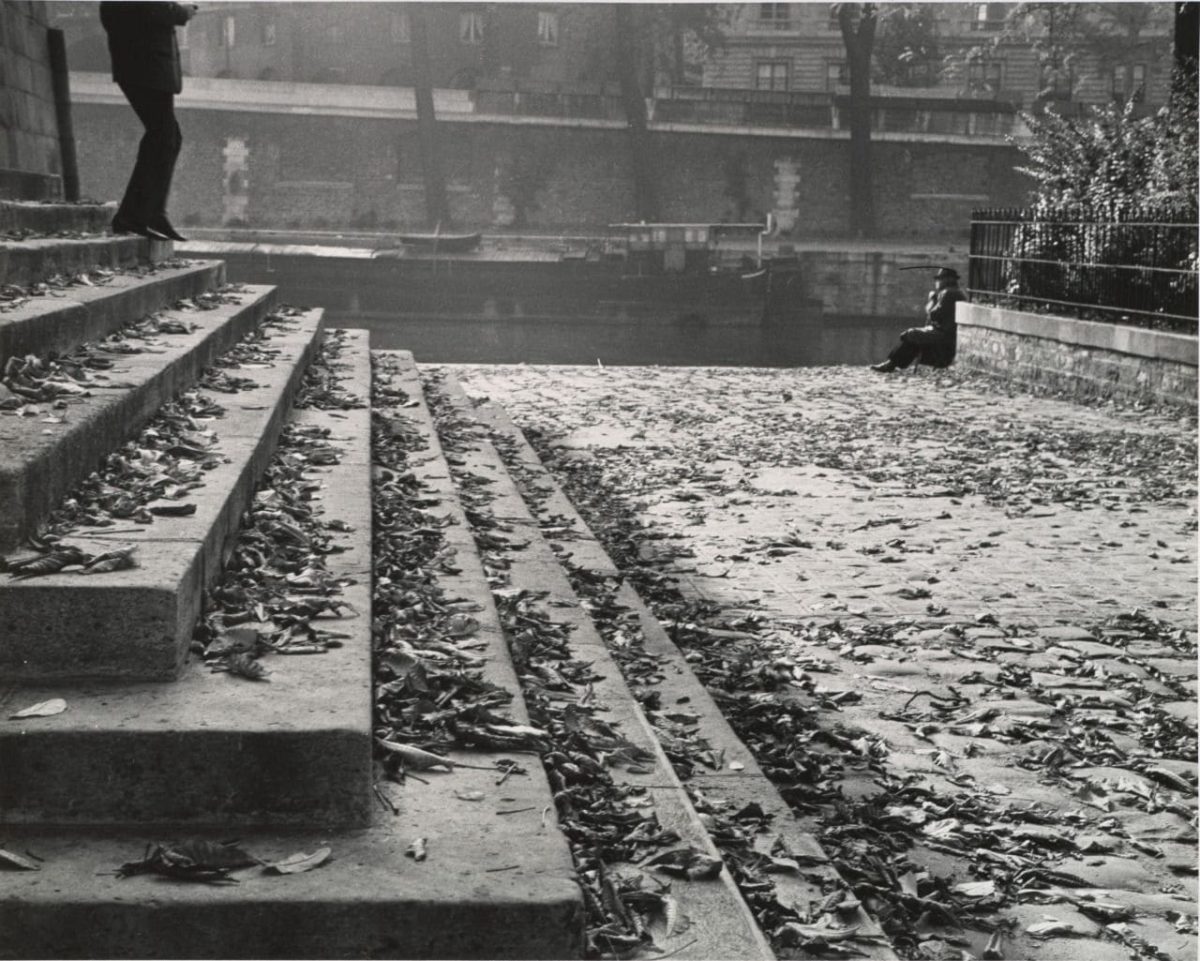
André Kertész - Les quais , Square du Vert-Galant - Paris 1963.
I wish for you to learn to see and to recognize these moments. And you don't necessarily have to catch them in a frame, no. Catch them and keep them in your consciousness. And they will stay with you forever. As for those people I have told you about, they lived a happy, though not always easy, life. And a part of it they left to us.
Thank them. As Brodsky put it:
Stop, moment!
You are not so beautiful
as you are unrepeatable.
 Ave France